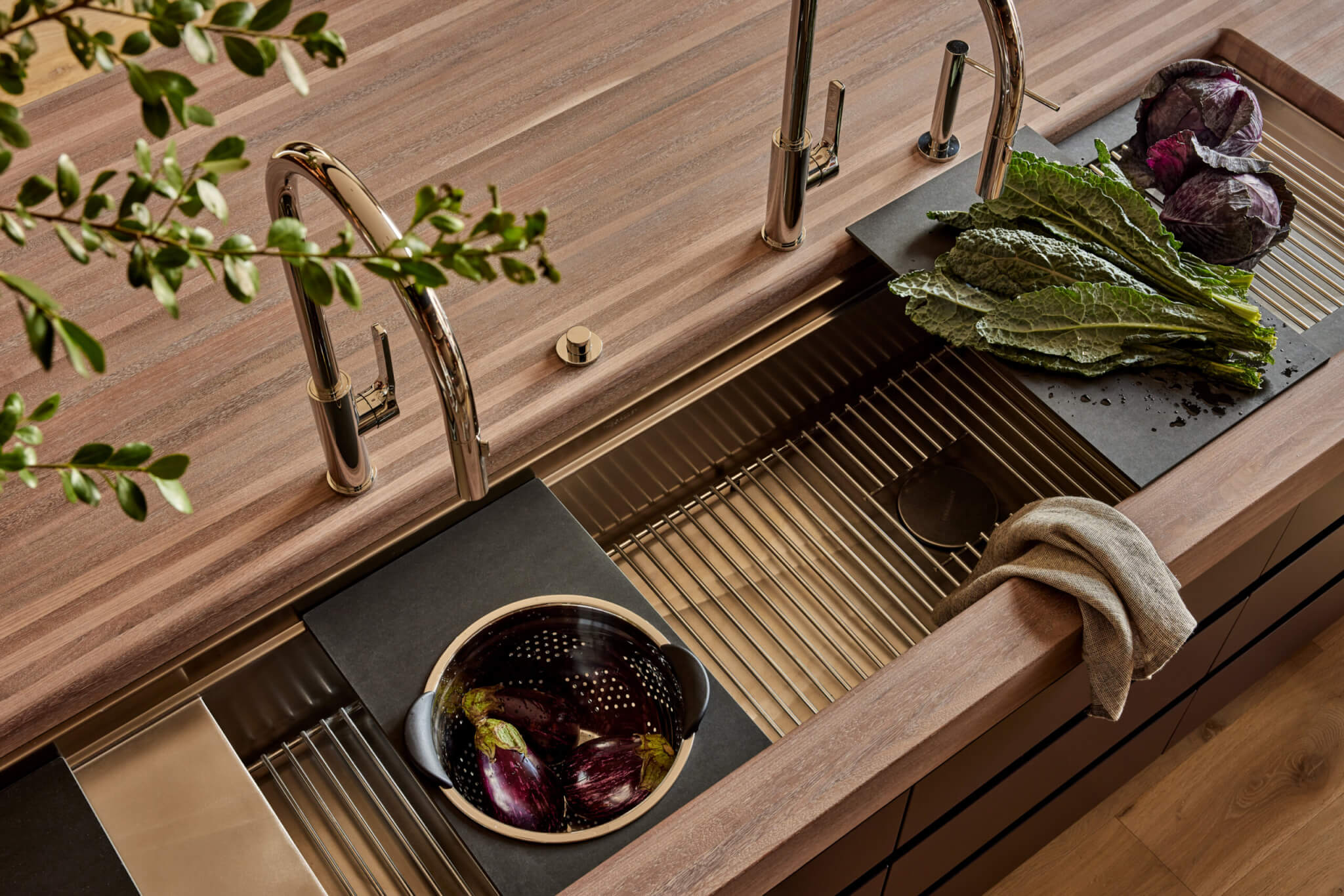
Not every project calls for raw wood alone.
Some require a more intentional shift—subtle contrast, softened tones, or a way to align wood with a broader material palette without losing its natural character.
Pigmented Oil is designed for that balance.
It allows wood to remain fully expressive, while introducing a controlled layer of color that refines how the material reads within a space.
What Is Pigmented Oil? (A Penetrating Oil Finish with Color)
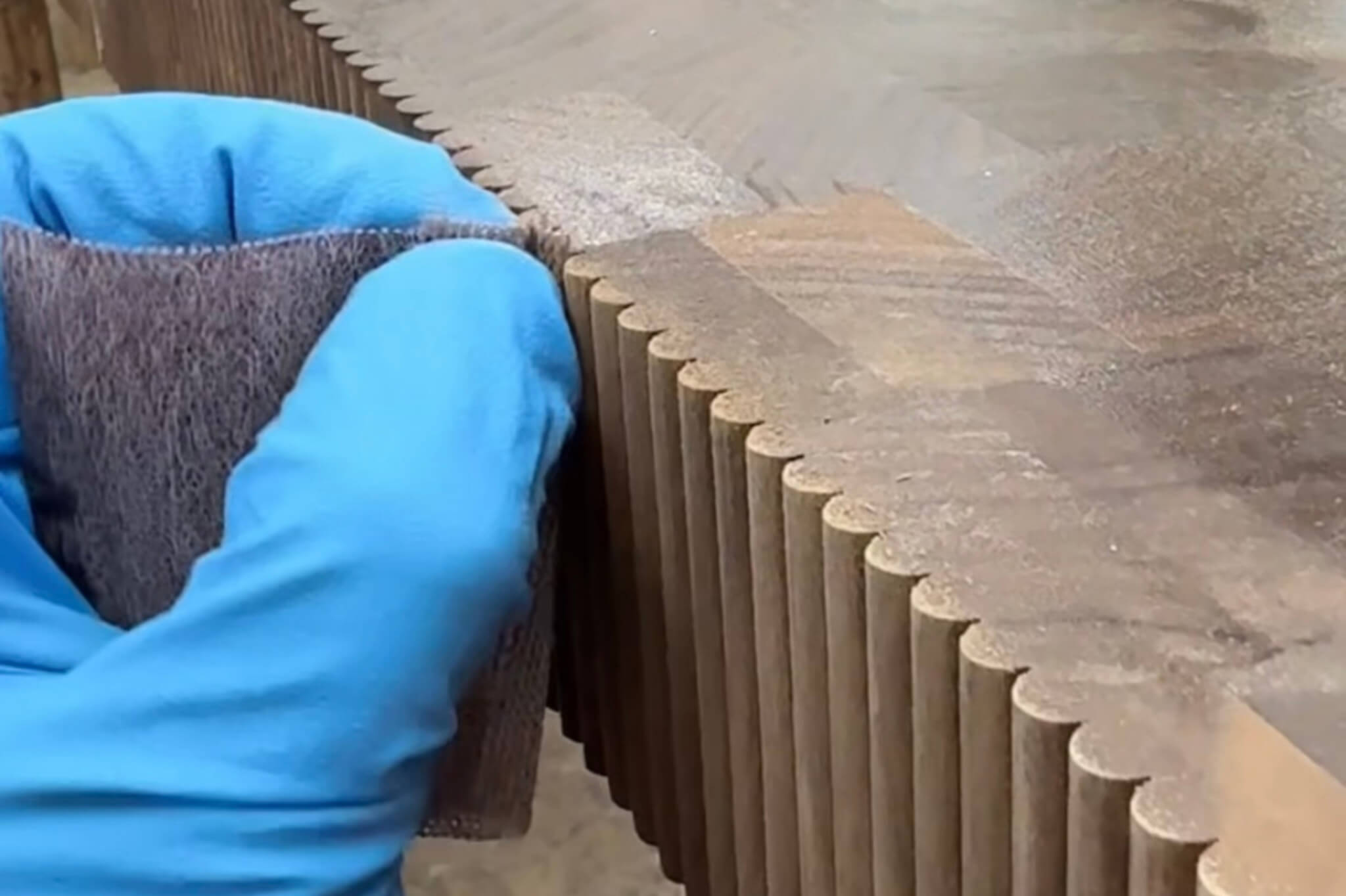
Grothouse’s Pigmented Oil is a penetrating, oil-based wood finish. Rather than forming a surface film, it absorbs into the wood fibers—carrying color into the material itself while leaving the grain fully visible.
Grothouse offers two signature tones:
- Bianca™ – a light, softened tone that brightens without masking variation
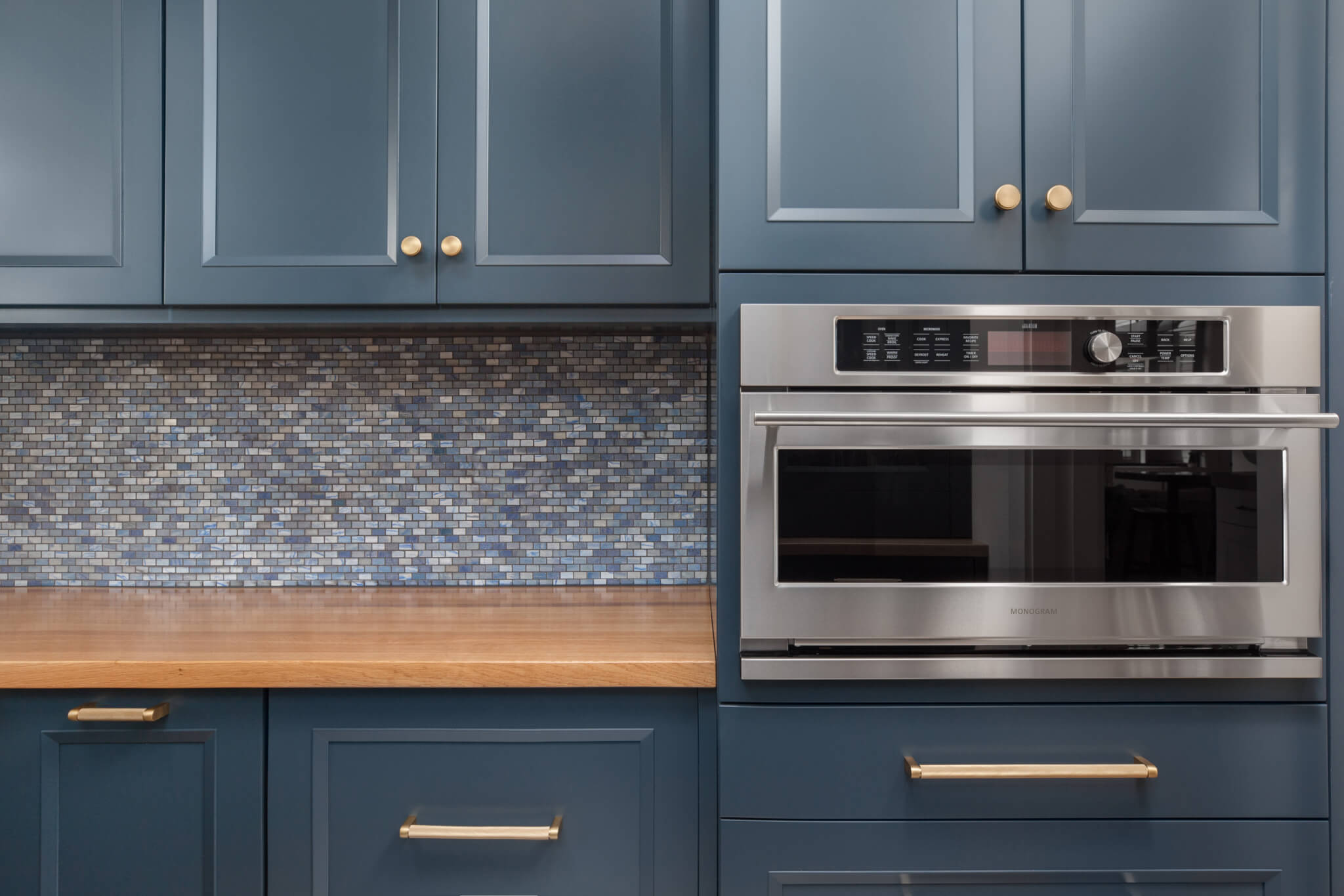
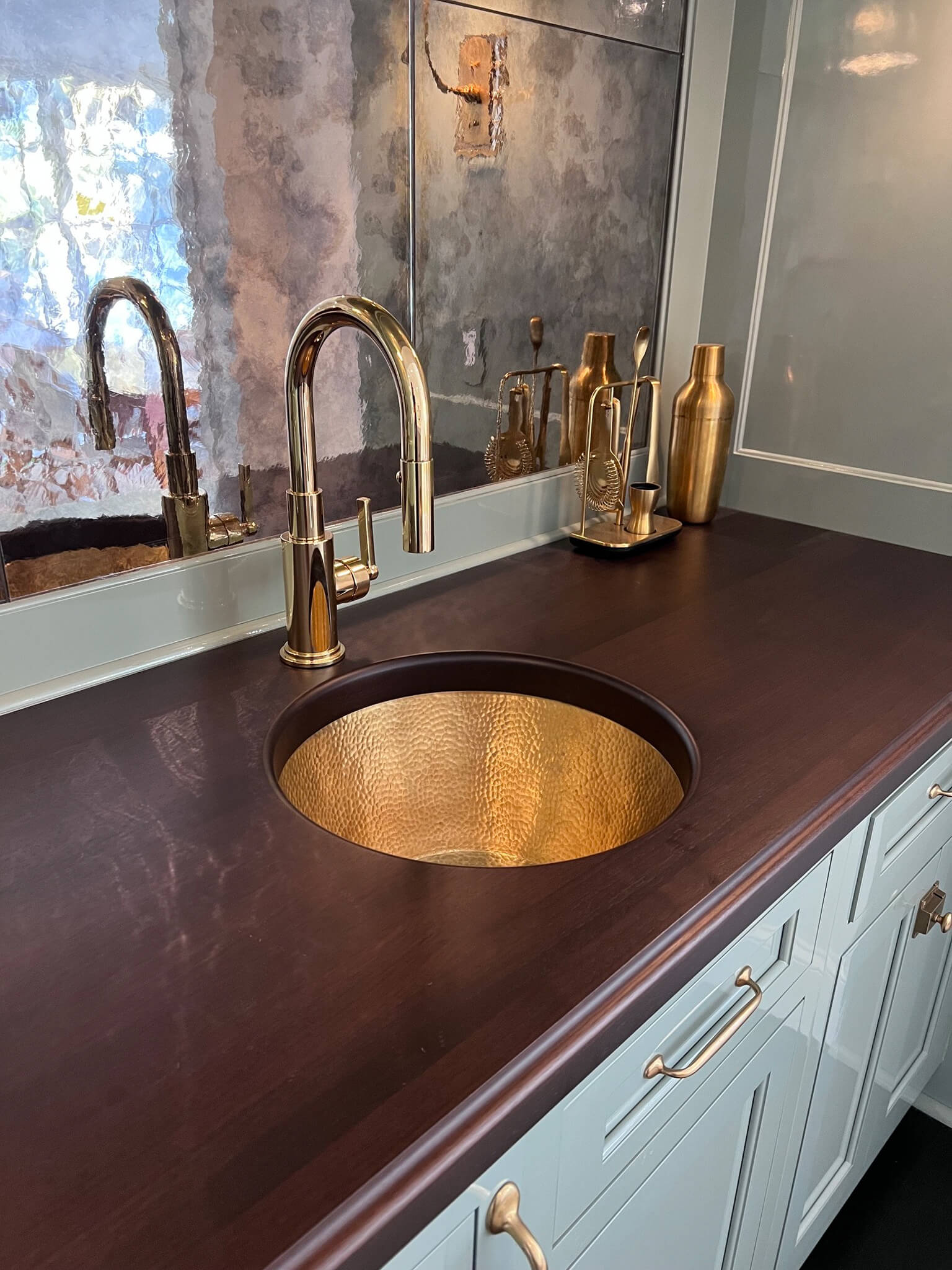
- Nera™ – a deeper, more saturated tone that adds contrast and visual weight
Both are formulated to maintain a matte, low-sheen appearance, aligning with current architectural preferences for subdued, non-reflective finishes.
Pigmented Oil can be applied to edge grain, flat grain, and end grain constructions. However, it is most commonly specified for edge and flat grain wood countertops, where absorption is more consistent and predictable.

The Look & Feel: Controlled Tone, Visible Grain
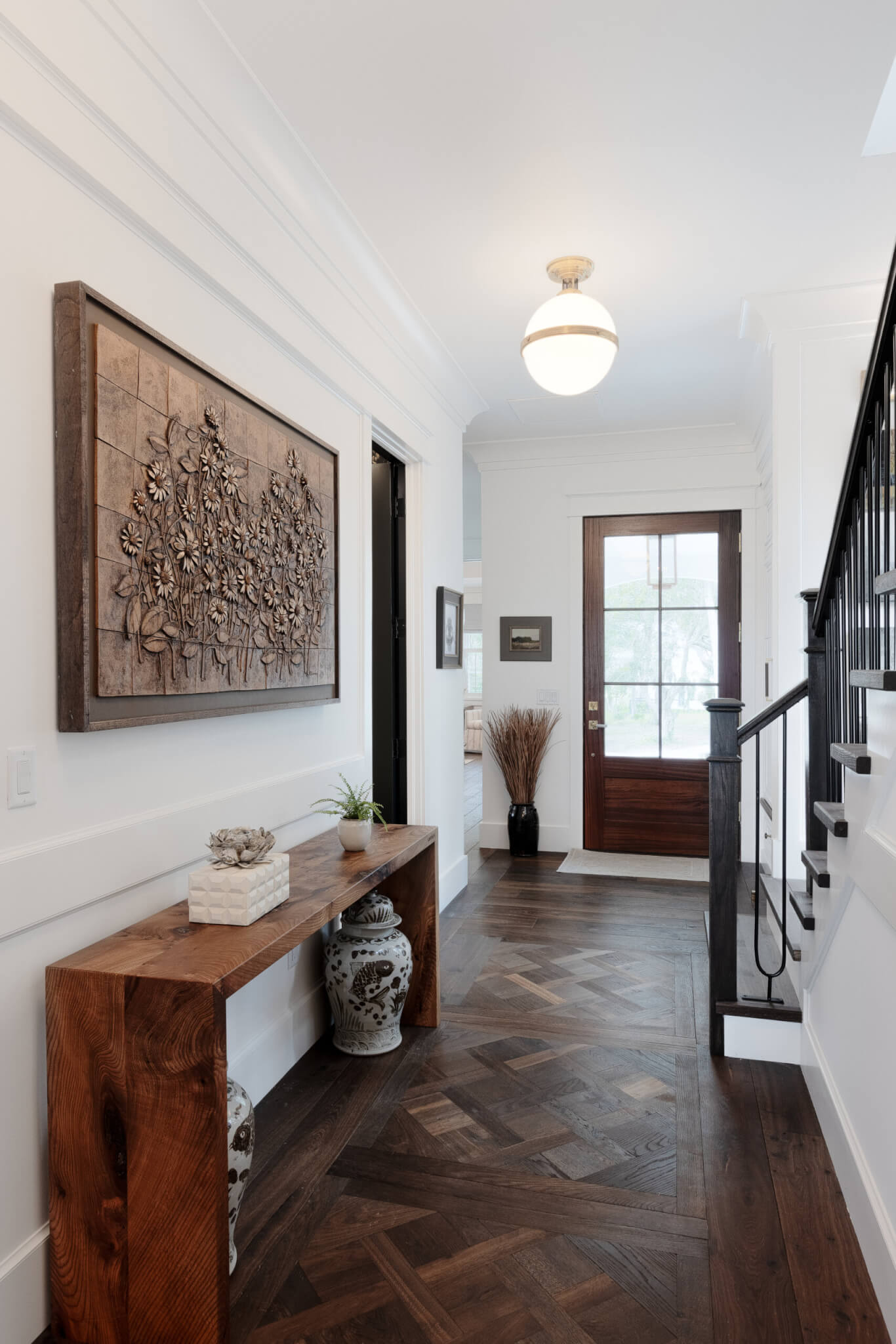
Pigmented Oil offers a distinct advantage over other topcoat options. Because the pigment interacts with the natural grain structure, variation is preserved rather than concealed. Cathedrals, mineral streaks, and density shifts remain visible, creating a finish that feels layered rather than applied.
In everyday use, this results in:
- A matte, architectural finish with no surface sheen
- Visible grain structure beneath a softened tone
- Natural variation that prevents a uniform or synthetic appearance
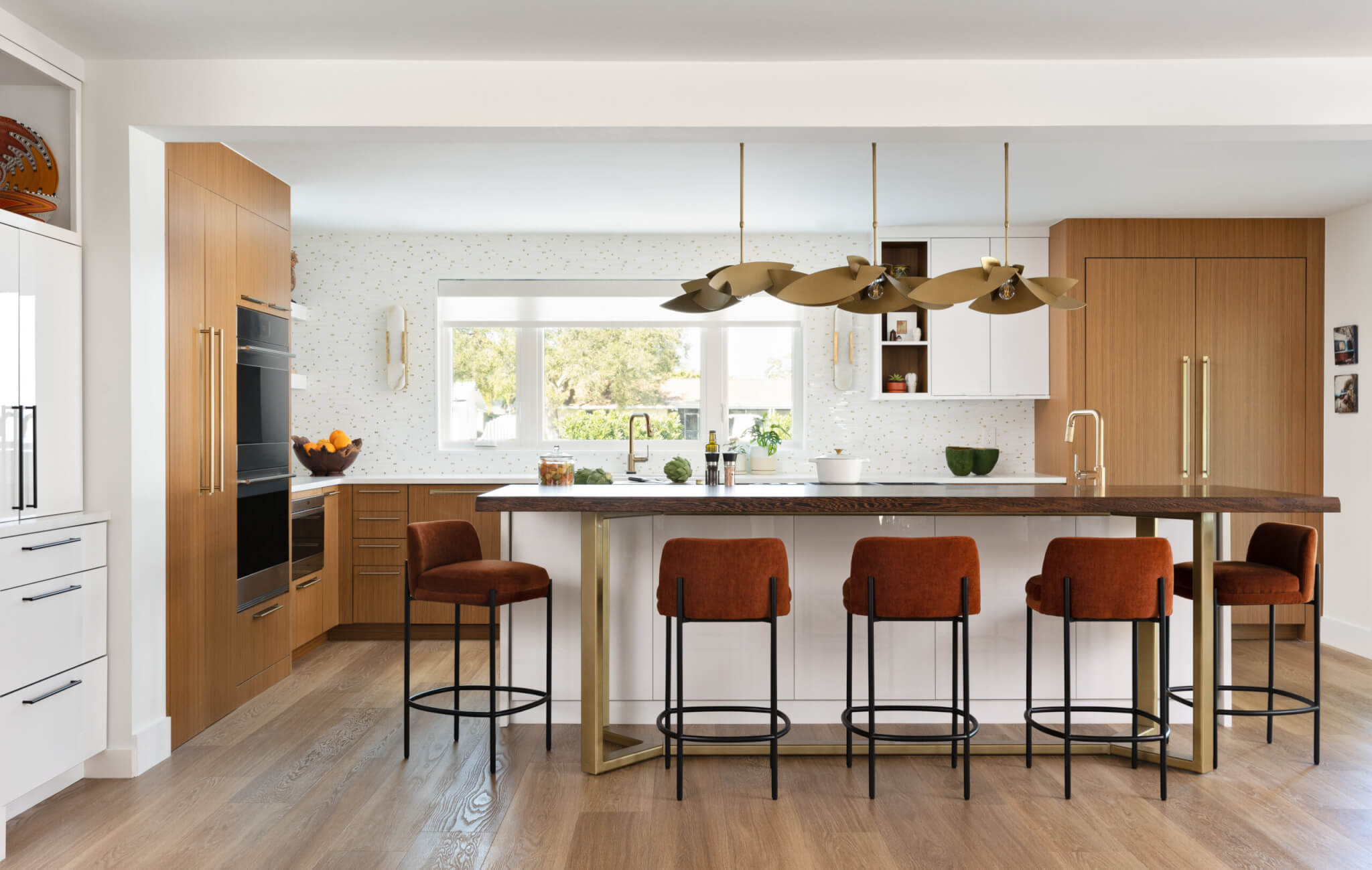
Bianca™ is often used to achieve a lighter, more contemporary aesthetic—similar to a desaturated or “washed” wood look without aggressive bleaching.
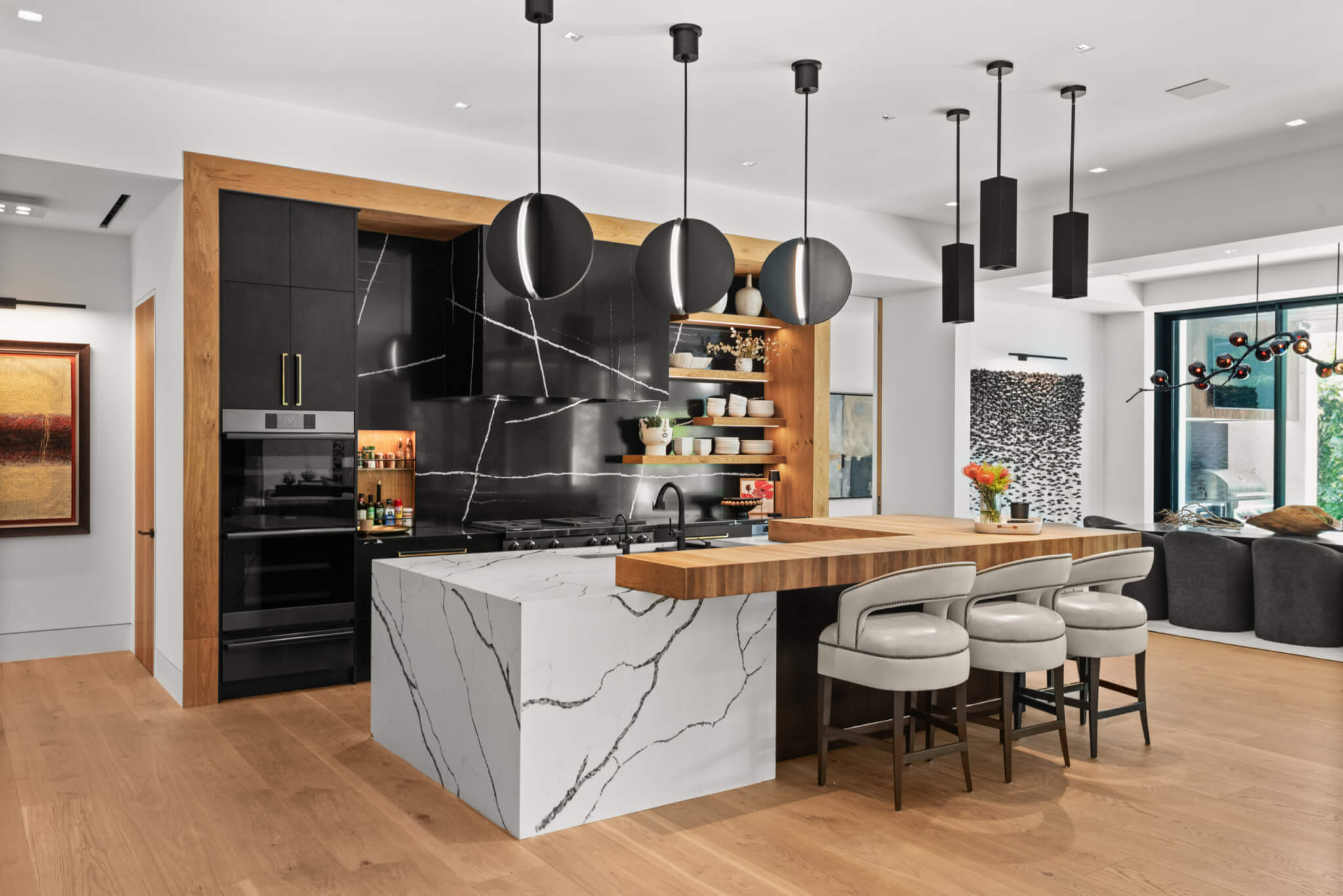
Nera™ introduces depth and contrast, frequently specified to anchor lighter cabinetry or create definition within open-plan spaces.

Performance: How Pigmented Oil Performs in Real Applications
As a penetrating oil finish, Pigmented Oil supports the wood’s natural ability to regulate moisture, helping reduce drying and surface stress over time.
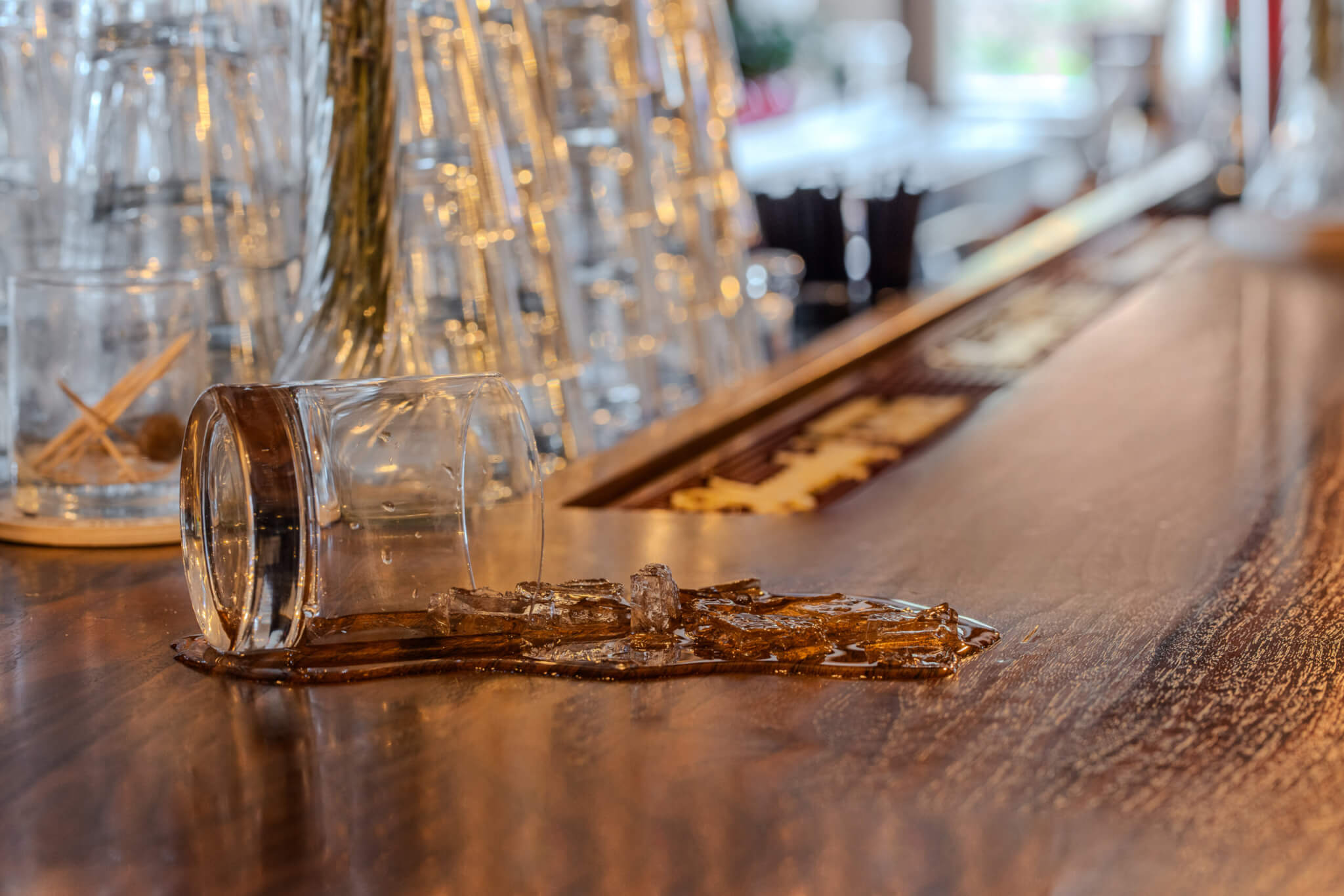
It provides moderate water resistance suitable for everyday use, but it is not a waterproof or sealed system. Liquids should be wiped promptly to maintain the integrity of the finish.
Pigmented Oil is commonly specified for:
- Kitchen countertops and islands
- Furniture-style installations
- Dining and gathering surfaces
- Architectural wood elements where tone is a primary design driver
Cutting and chopping are possible, but should be approached with care. Because pigment is carried into the surface fibers, heavy knife use can disrupt the color layer, revealing lighter wood beneath. These areas can be spot-treated or refinished as part of ongoing maintenance.
For designers and builders, this makes Pigmented Oil best suited for visual surfaces rather than primary cutting zones.
Design Applications for Pigmented Wood Finishes
Pigmented Oil is often specified in projects where tonal alignment is critical.
It pairs naturally with:
- Slab or rift-cut cabinetry
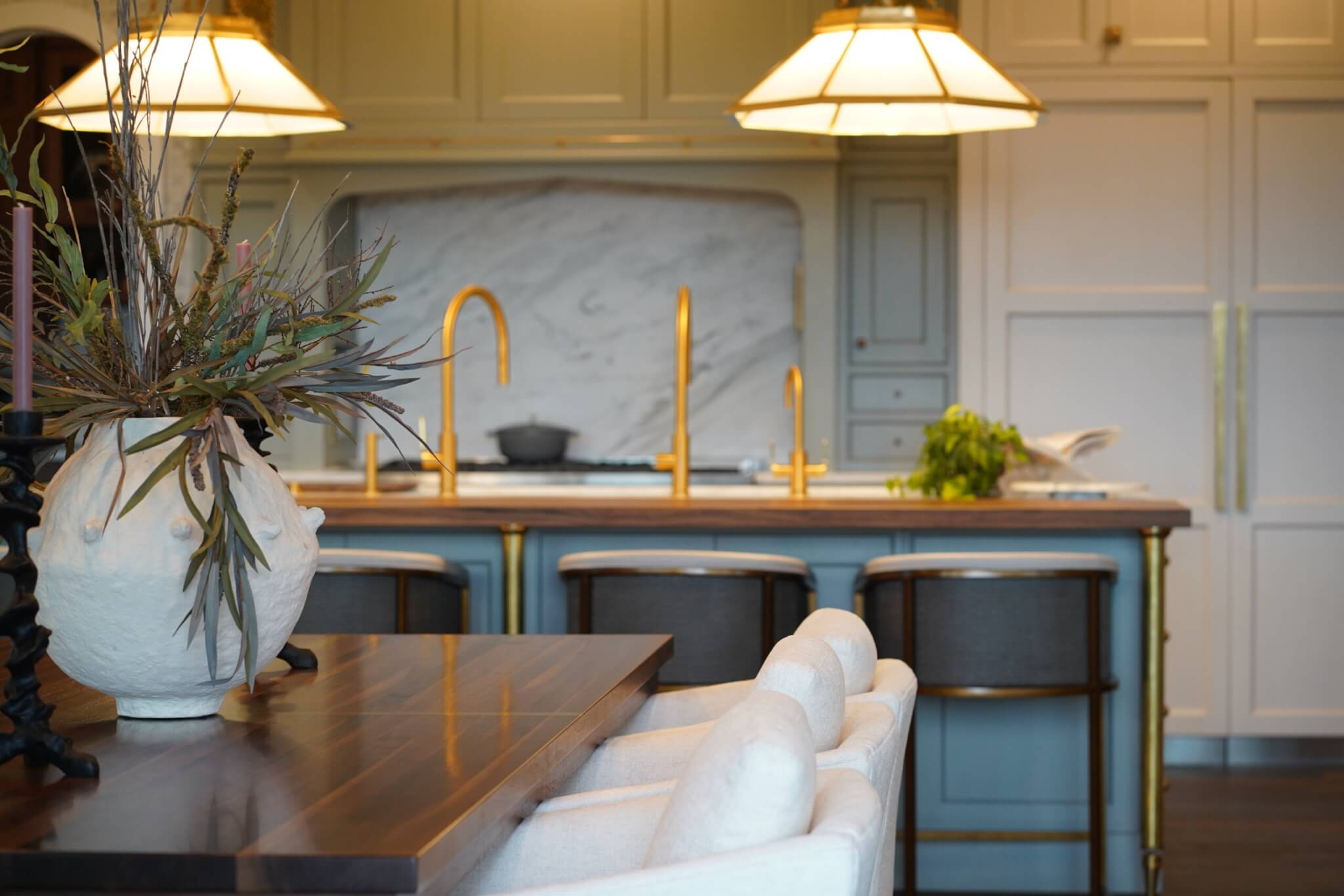
- Mixed-material kitchens (wood, stone, and metal)
- Contemporary and transitional interiors
- Spaces where warmth is desired, but raw wood tone needs refinement
Because it works within the material rather than covering it, Pigmented Oil allows wood to integrate seamlessly into a broader palette without introducing a competing finish.
Who Should Specify Pigmented Oil?
Pigmented Oil is best suited for clients and projects that:
- Require tonal control while maintaining visible wood grain
- Favor matte, low-sheen wood finishes
- Prioritize design intent alongside material authenticity
- Are open to light, periodic maintenance
It’s a finish chosen when the goal isn’t to preserve wood exactly as-is—but to guide it toward a more intentional final expression.

Care & Long-Term Performance
Like all penetrating oil finishes, Pigmented Oil is maintained through periodic reapplication to preserve both color and performance.
General care guidelines:
- Clean with mild soap and water; dry promptly
- Wipe spills quickly to prevent absorption
- Avoid harsh or chemical cleaners
- Reapply oil as needed, depending on use and exposure
Over time, subtle shifts in tone may occur due to light exposure and use. This is a natural characteristic of oil-finished wood—not a flaw, but part of how the material evolves.
Surfaces can be refreshed or refinished to restore depth and consistency as needed.

A Finish That Brings Intention to Wood
Pigmented Oil offers a balance that’s difficult to achieve—control without concealment.
It allows designers to adjust tone, introduce contrast, and respond to broader design goals, while still preserving the integrity of the material itself.