Trend reports usually come from showrooms, forecasts, or studios, but this one comes from conversations. As usual, our outside and inside sales teams have been in regular dialogue with designers and architects across the country, and although these conversations span different regions, different project types, and different client expectations, when we stepped back to compare notes, clear patterns began to emerge.
Designers are looking for ways to bring more warmth and individuality into spaces. Below is a snapshot of what our reps are seeing and hearing in the field right now.
This report highlights interior design trends for early 2026, focusing on how designers are specifying wood, metal, and architectural materials across residential and commercial projects.
Detail Is Carefully Re-Emerging in Interior Design
For several years, interior design leaned heavily toward restraint. Clean lines, minimal profiles, and neutral palettes. Many designers are now looking for ways to add additional warmth and detail without sacrificing sophistication.
Across regions, we’re seeing renewed interest in:
- Edge profiles for character rather than purely functional
- Subtle surface detail instead of perfectly flat planes
- Materials that inspire conversation
- Finishes and textures like wire-brushing, distressing, and hand-planing that add depth
Designers want moments of detail that feel considered, not decorative, and are searching for ways to introduce depth without overwhelming the space.
Warmth and Character Are Returning to Interior Spaces
Alongside this shift toward detail is a renewed openness to warmth. Designers are exploring:
- Red-toned woods like cherry and mahogany
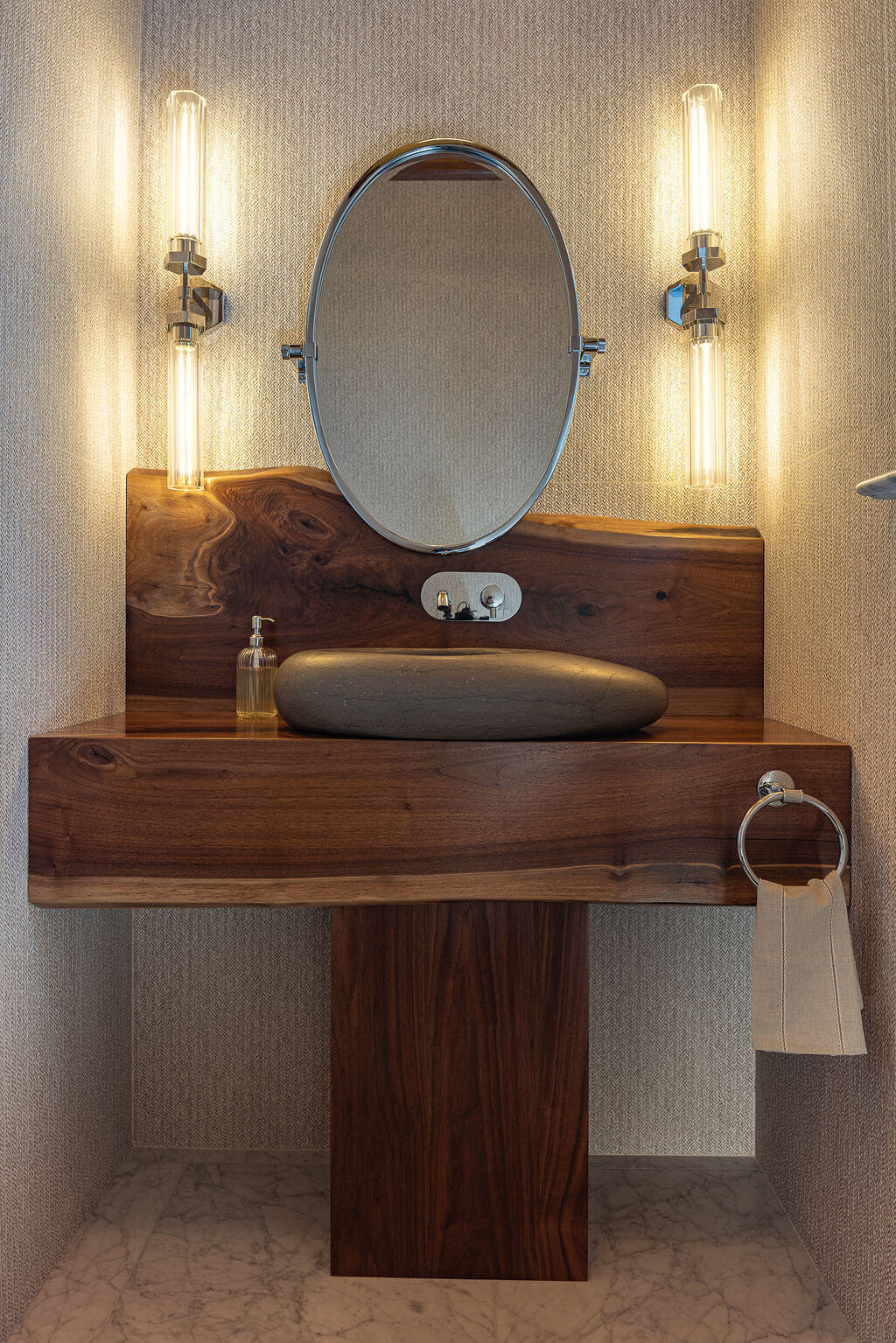
- Natural character, including knots and grain variation
- Wood surfaces that feel expressive rather than uniform
- Finishes that allow the material itself to show through
- Asking more from wood surfacing, including panelling, shelving, beam wraps, stair treads, and furniture
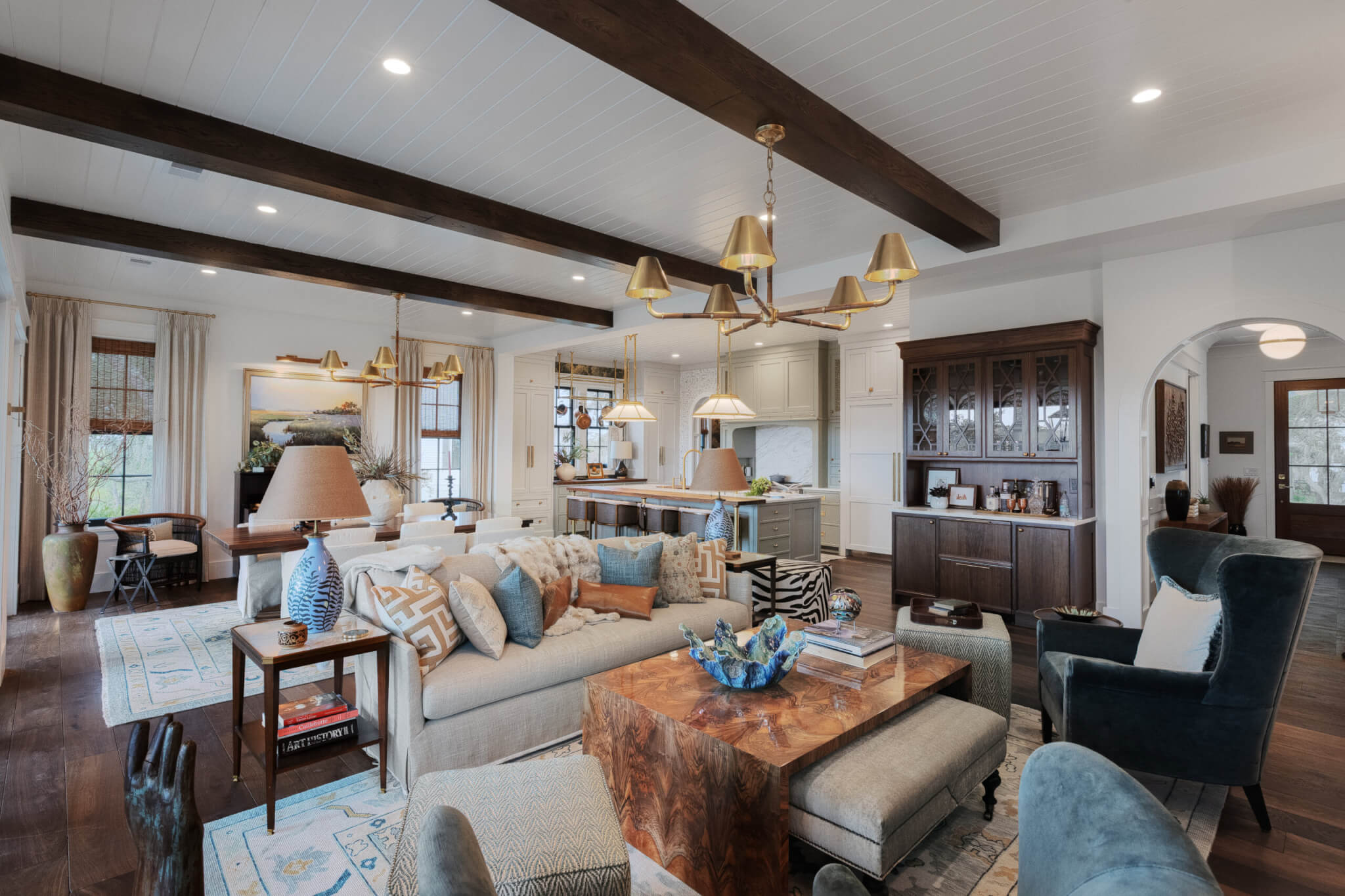
White cabinetry and rift oak remain widely specified, especially in kitchens. But designers are craving depth, character, and more organic warmth. Many are using wood as a grounding material to balance neutrals.
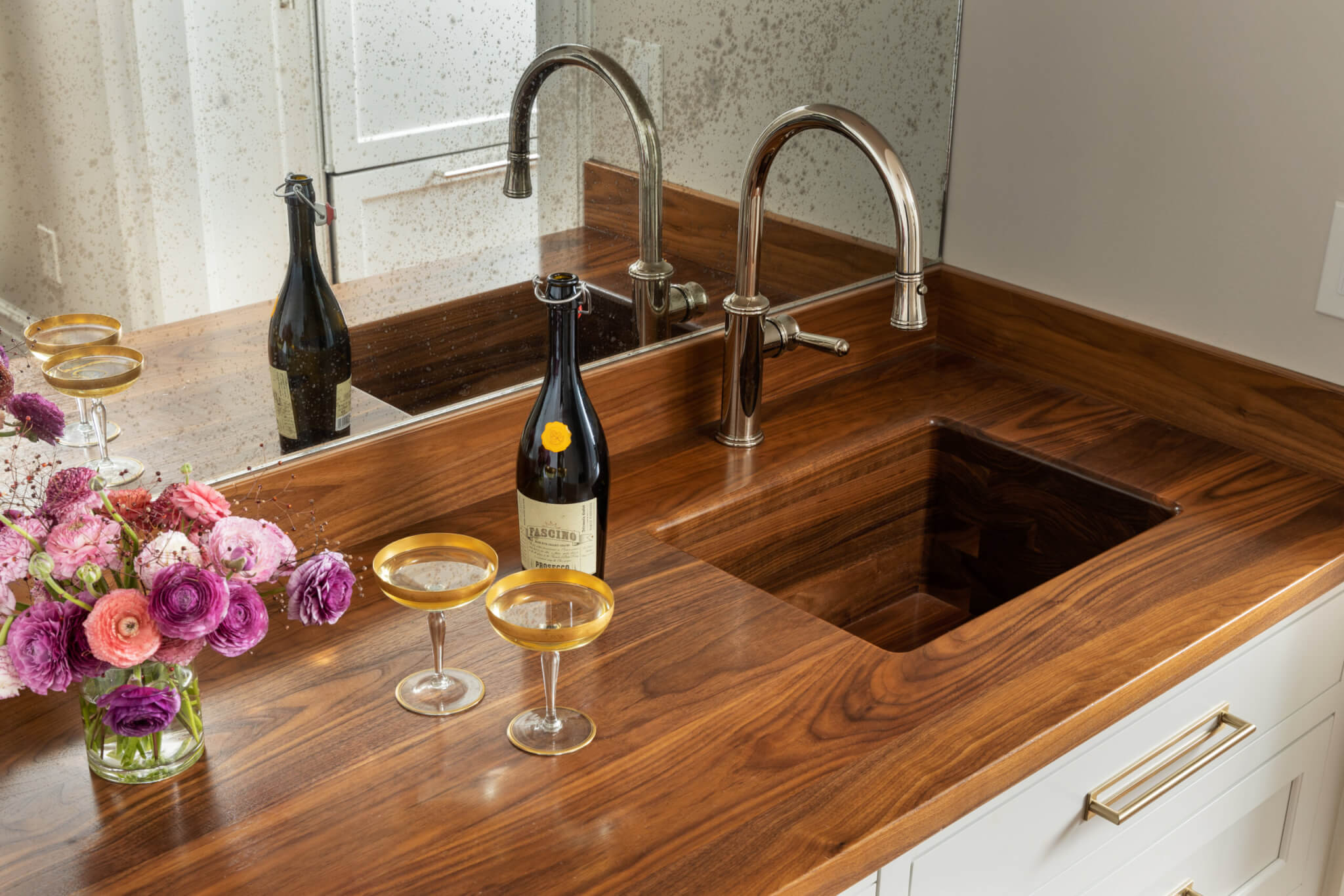
One Material, More Responsibility in Architectural Design
One of the most consistent themes we’re hearing is a shift in how designers think about material use.
Rather than layering many materials into a single space, designers are asking how fewer materials can do more work. The conversation is moving beyond the countertop and into the broader architecture of a project, including more unexpected wood applications.
We’re seeing increased interest in:
- Wood surfaces extending beyond horizontal planes
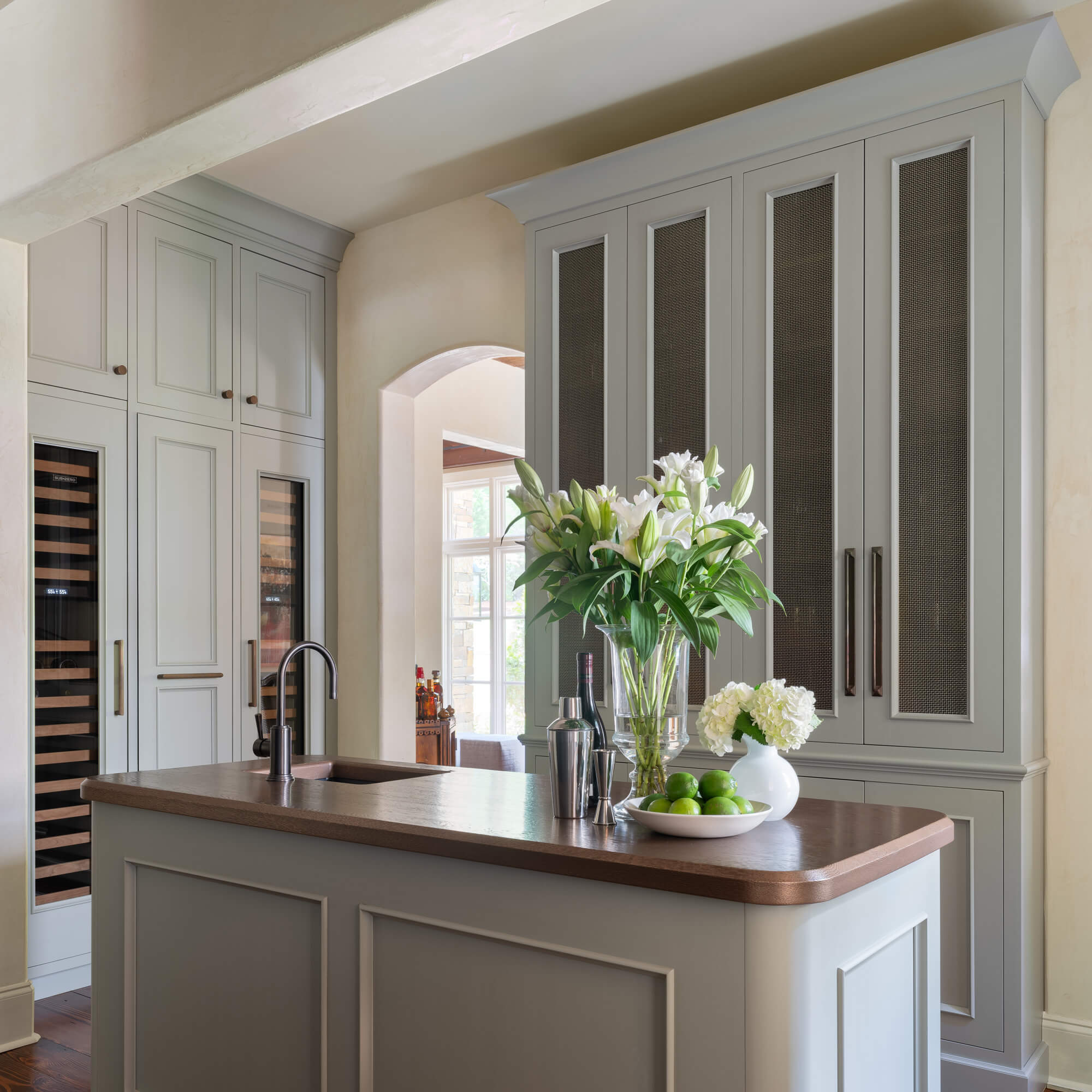
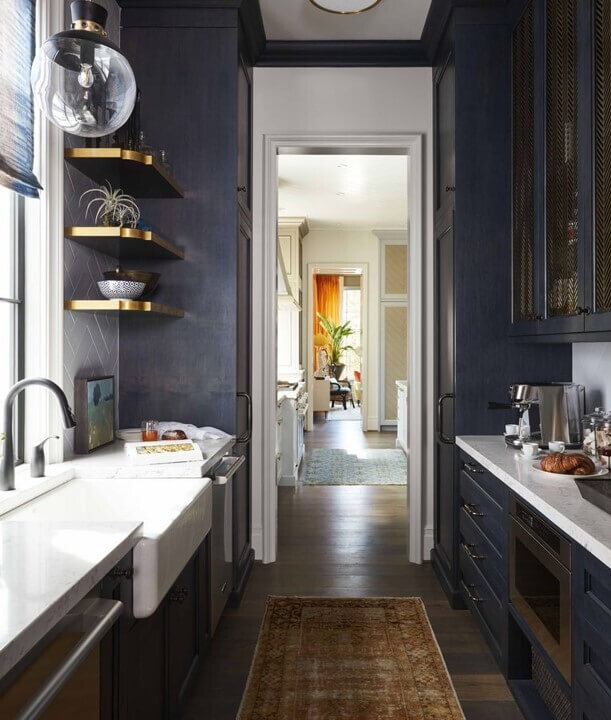
- Floating shelves that align seamlessly with surrounding materials
- Stair treads and architectural transitions
- Details and accessories that feel cohesive, not separate
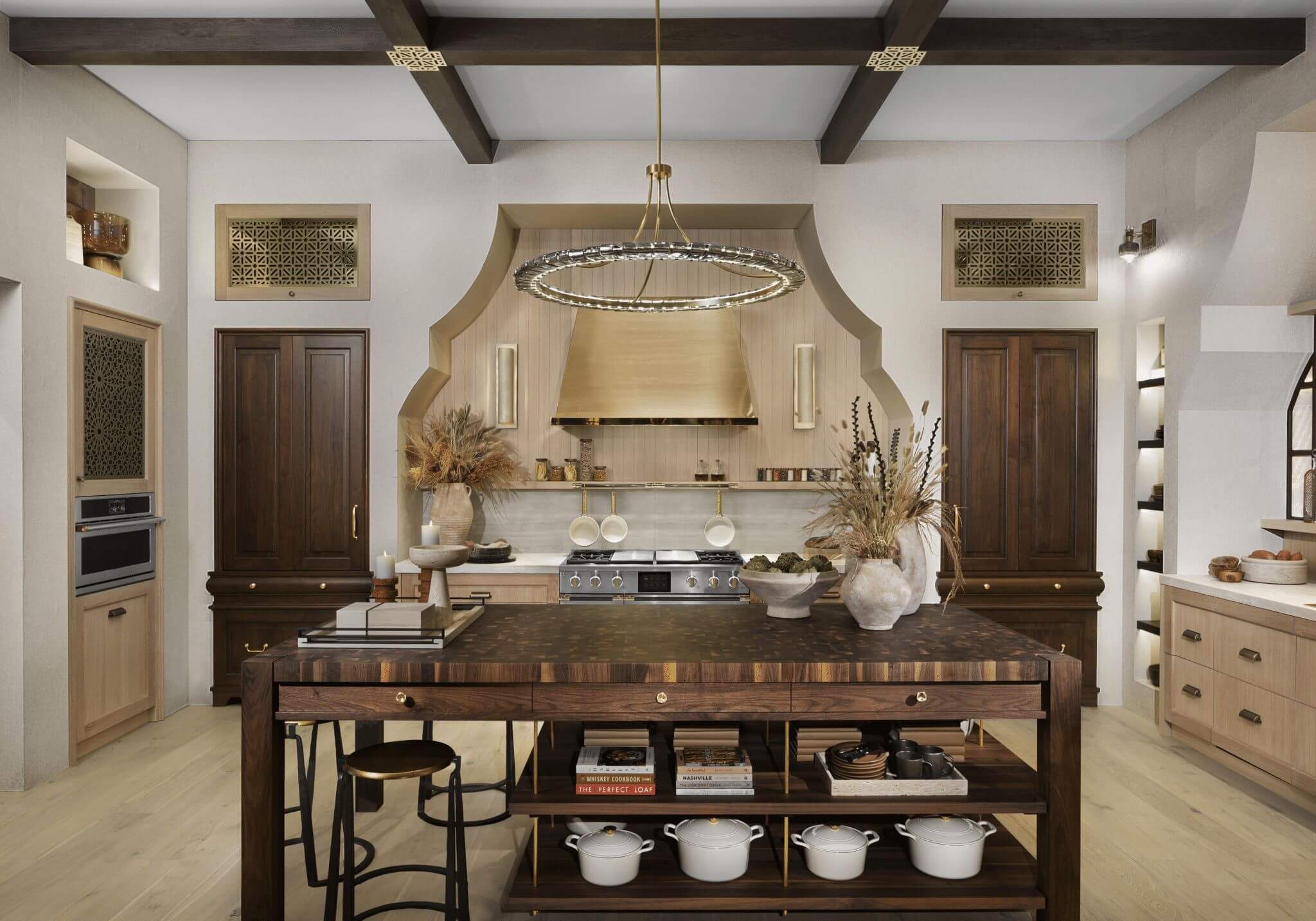
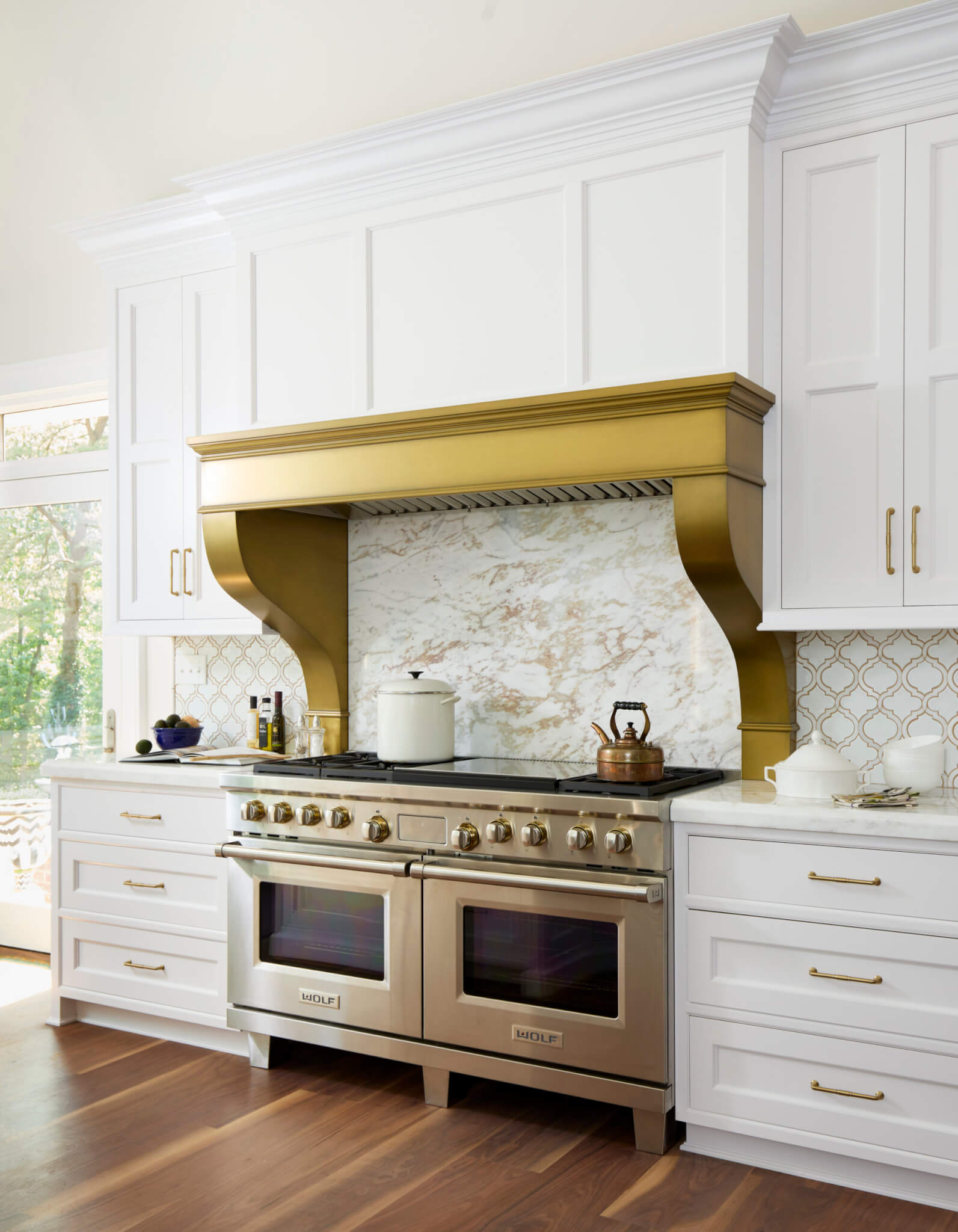
Grothouse inside sales representative Ryan Aardewijn has noted an increase in custom range hood surrounds, while sales representative Jared Eickhoff points to a recent project where an expanding kitchen island base was engineered with three distinct design options. In both cases, the emphasis was on expanding wood use throughout a project in unexpected ways.
Designers want continuity. They want materials that carry through a space in a way that feels bespoke and intentional.
When Metal Enters the Conversation: Wood and Metal Design Integration
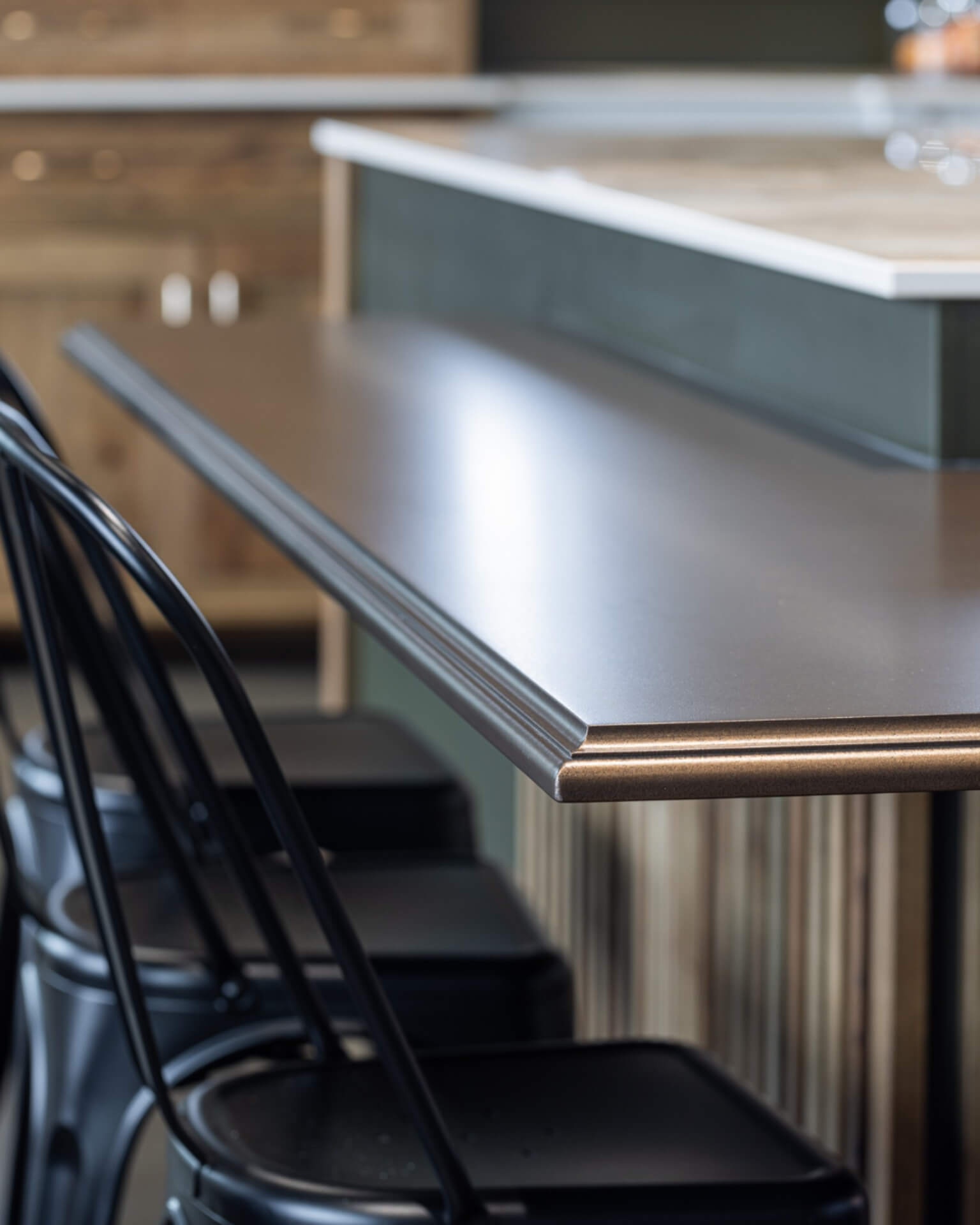
In many of these discussions, curiosity around expanded application leads to material combinations designers don’t encounter every day. Metal and wood, in particular, are coming up more often. Not as decoration, but as integration.
Banding, inlays, and subtle metal details are being explored as ways to introduce precision without overpowering warmth. These conversations often begin once designers learn about Anvil™ Metal and realize that the limitations around metal they assumed were fixed aren’t necessarily so.
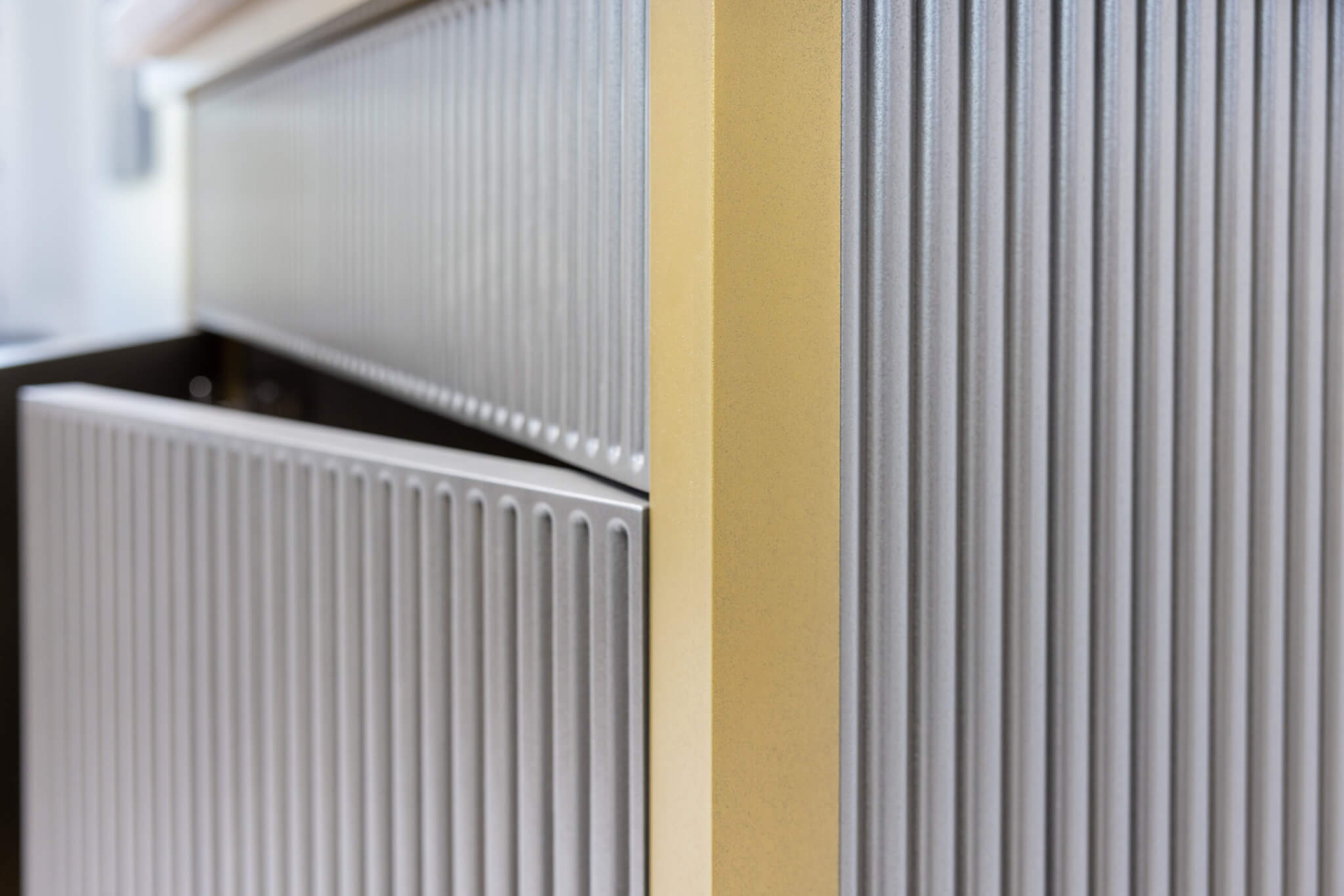
Inside sales representative Justin Hammersly notes that these conversations tend to elicit the same response: immediate curiosity and excitement. And sales representative Devin Gillenberger is seeing the same thing in the Northeast adding, “The reaction we hear most often when talking about Anvil™ is, ‘I’ve never seen anything like this.’”
That reaction is frequently followed by a second question, which representative Greg Taylor hears from Florida up through Maryland constantly: How else can Anvil™ be integrated into projects?
Taylor points to a cabinetry partner in Kentucky who needed ornate custom hardware but struggled to find a metal solution that felt manageable. The turning point came when they realized they could preserve the aesthetic by specifying Anvil™ Metal, while removing the friction that typically comes with coordinating additional fabricators.
Once designers understand that metal and wood can be integrated thoughtfully, the conversation expands quickly. What begins as a single surface often turns into a broader exploration of how materials shape the entire space.
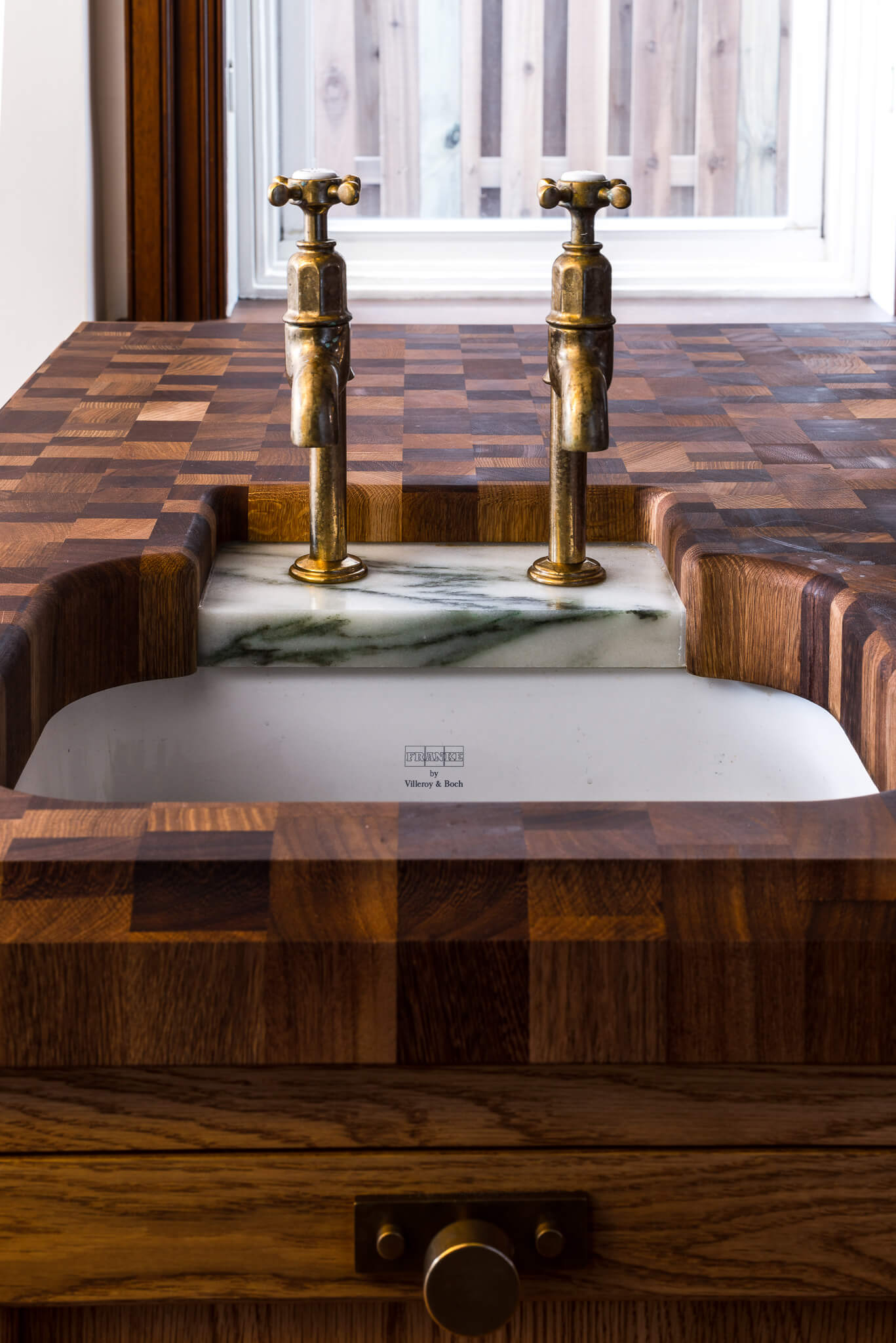
Further West, representative Sam Sloane, adds that designers are leaving conversations excited and inspired, particularly about end grain butcher block and Anvil™ Metal, pointing towards the large interest in materials that provide texture, warmth, and custom integration.
Confidence Comes From Clarity, Not Novelty in Material Selection
What turns interest into action isn’t surprise alone. It’s clarity.
Designers want straightforward answers:
- How will this perform over time?
- What does maintenance realistically look like?
- How does this fit into the broader scope of the project?
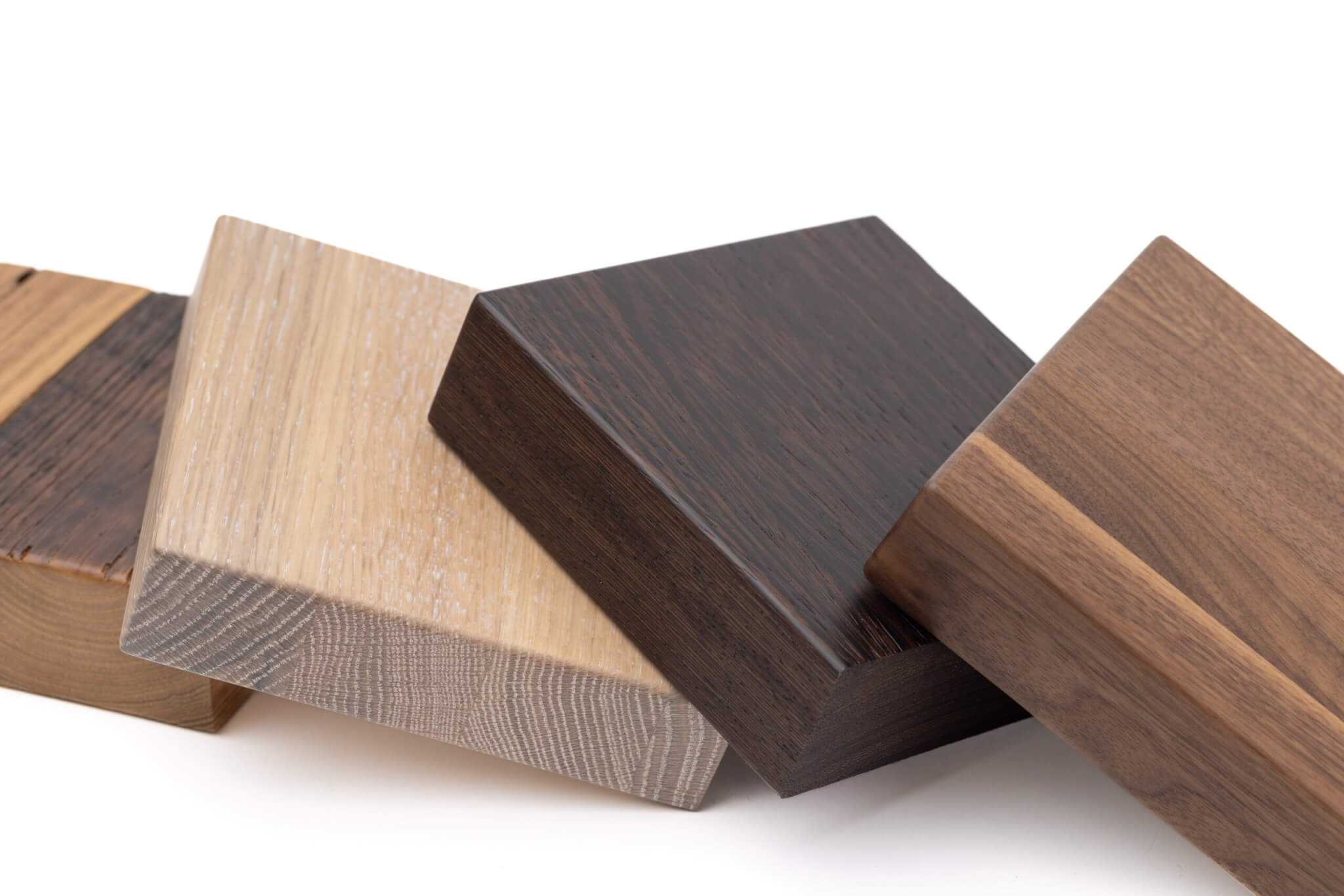
To continue exploring design possibilities, our sales team remains committed to on-going training, sharing samples, and ensuring designers are educated by presenting information that is easy to understand and easy to revisit.
When materials, finishes, and applications are clearly explained, designers feel more confident proposing them to clients. That confidence often leads to broader and more creative use across a project.
What Tells Us About Interior Design Trends and Wood
Taken together, these insights don’t point to a single dominant trend. They point to a mindset.
Designers are looking for:
- More intention, less excess
- Fewer materials, used more thoughtfully
- Details that feel bespoke
- Solutions that simplify
These conversations don’t signal a dramatic turn. They suggest something more nuanced. Designers are editing more carefully and asking materials to carry more responsibility within a space. From what we’re hearing in the field, that approach is only gaining momentum. For questions about materials and custom projects, contact your sales representative or inquire at glumber@glumber.com or 610-767-6515.