What trends are shaping luxury residential design today? Which materials are designers specifying most often, and what are homeowners asking for in their spaces?
To find out, we asked Grothouse sales representatives across North America what they’re seeing in conversations with designers, architects, builders, and homeowners. Their responses revealed several emerging luxury design trends influencing everything from wood countertops and floating shelves to custom tables, architectural millwork, and statement islands.
The responses from our team this summer revealed a remarkably consistent message across regions and markets:
“Design is becoming more personal and authentic.”
Here are some of the biggest themes shaping conversations right now, and what they could mean for your next project.
The Shift Toward Warmth Continues
For several years, many interiors leaned heavily into minimalism. Clean lines, monochromatic palettes, and highly refined surfaces dominated both social media and showroom floors. While those influences remain, designers are increasingly seeking balance.
Across multiple regions, our sales team reported growing interest in spaces that feel warmer, more inviting, and more layered. Natural materials, visible grain patterns, softer finishes, and authentic textures are taking center stage.
Clients still appreciate sophisticated design, but they are looking for homes that feel lived in rather than staged. Instead of perfection, they’re embracing character, and instead of uniformity, they’re appreciating variation.
While creating spaces that look beautiful has always been a priority, now it’s equally important to design spaces that feel beautiful to live in.
We’re also seeing a continued move away from:
- Stark black-and-white contrasts
- Cold gray palettes
- Highly glossy finishes
- Synthetic materials attempting to imitate natural ones
- One-size-fits-all solutions
In their place, designers are creating environments that feel curated and much more personal.
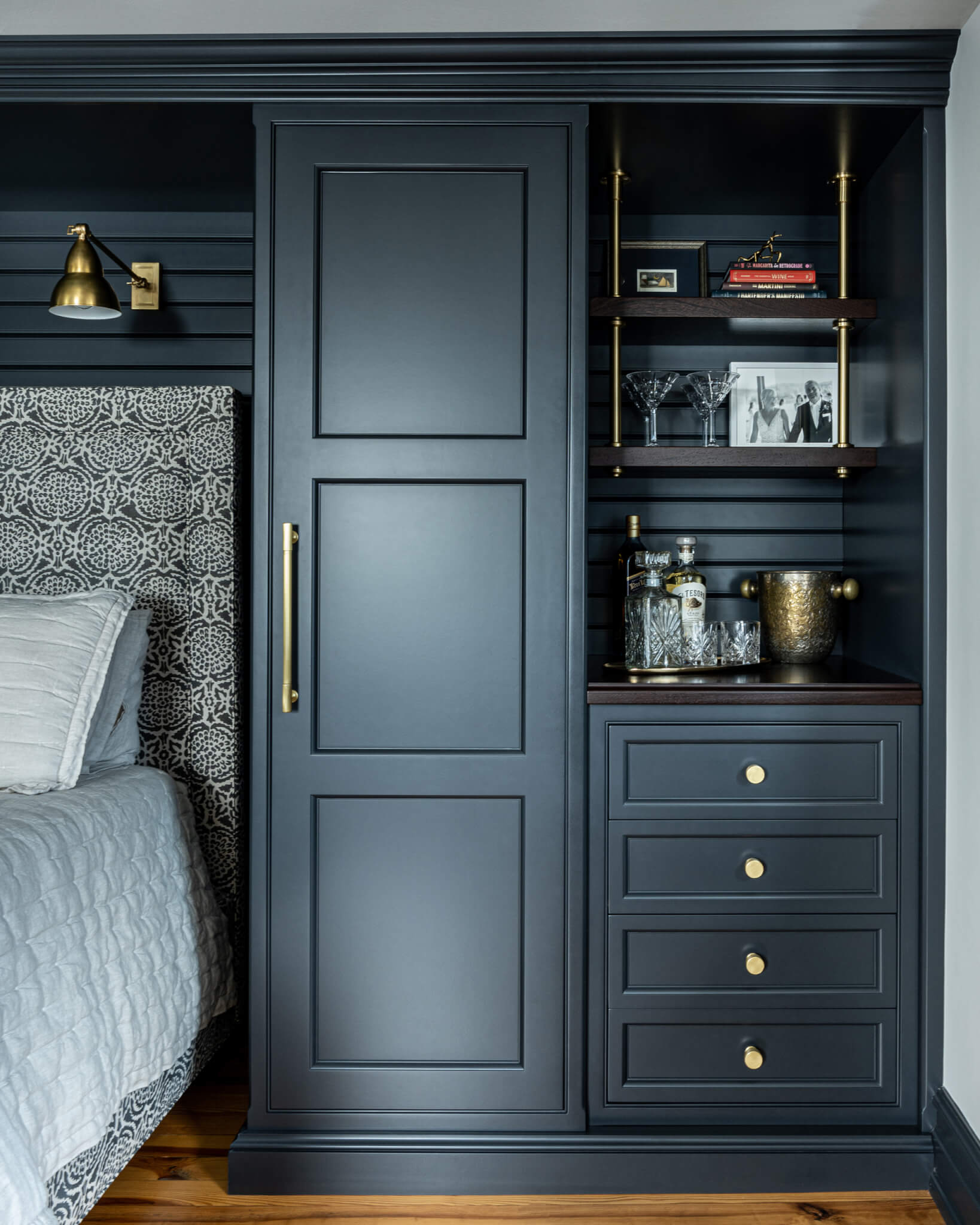
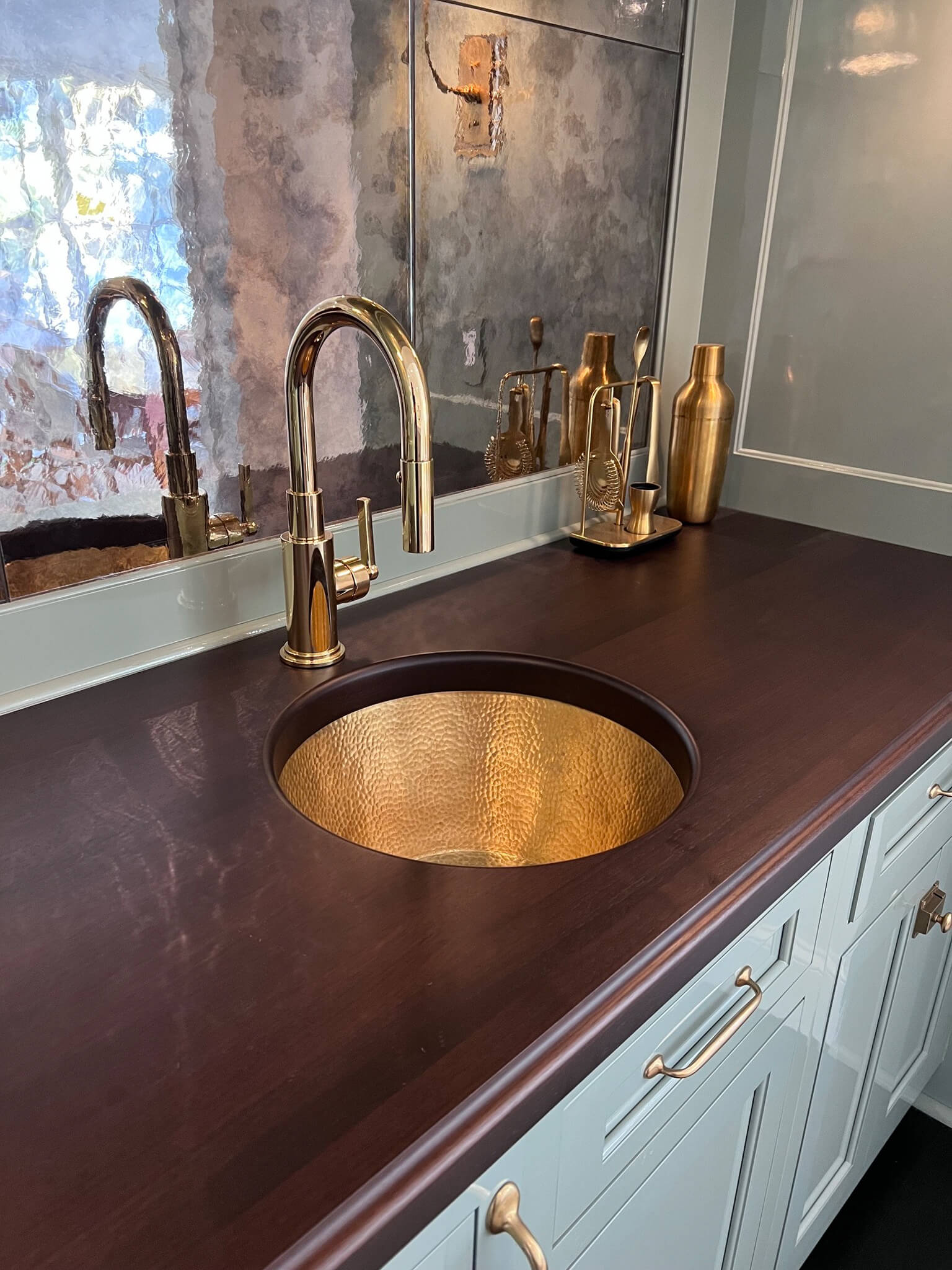
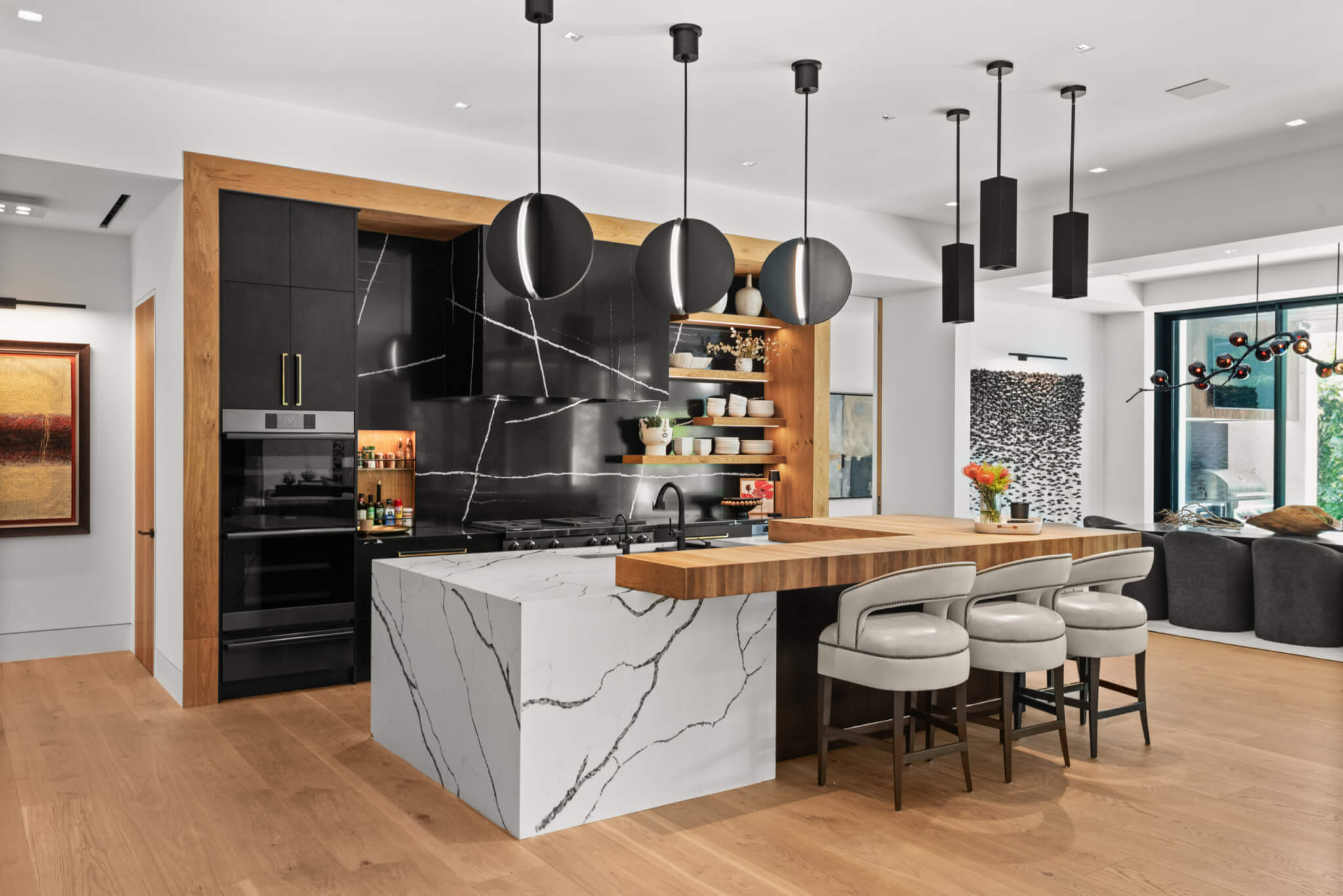
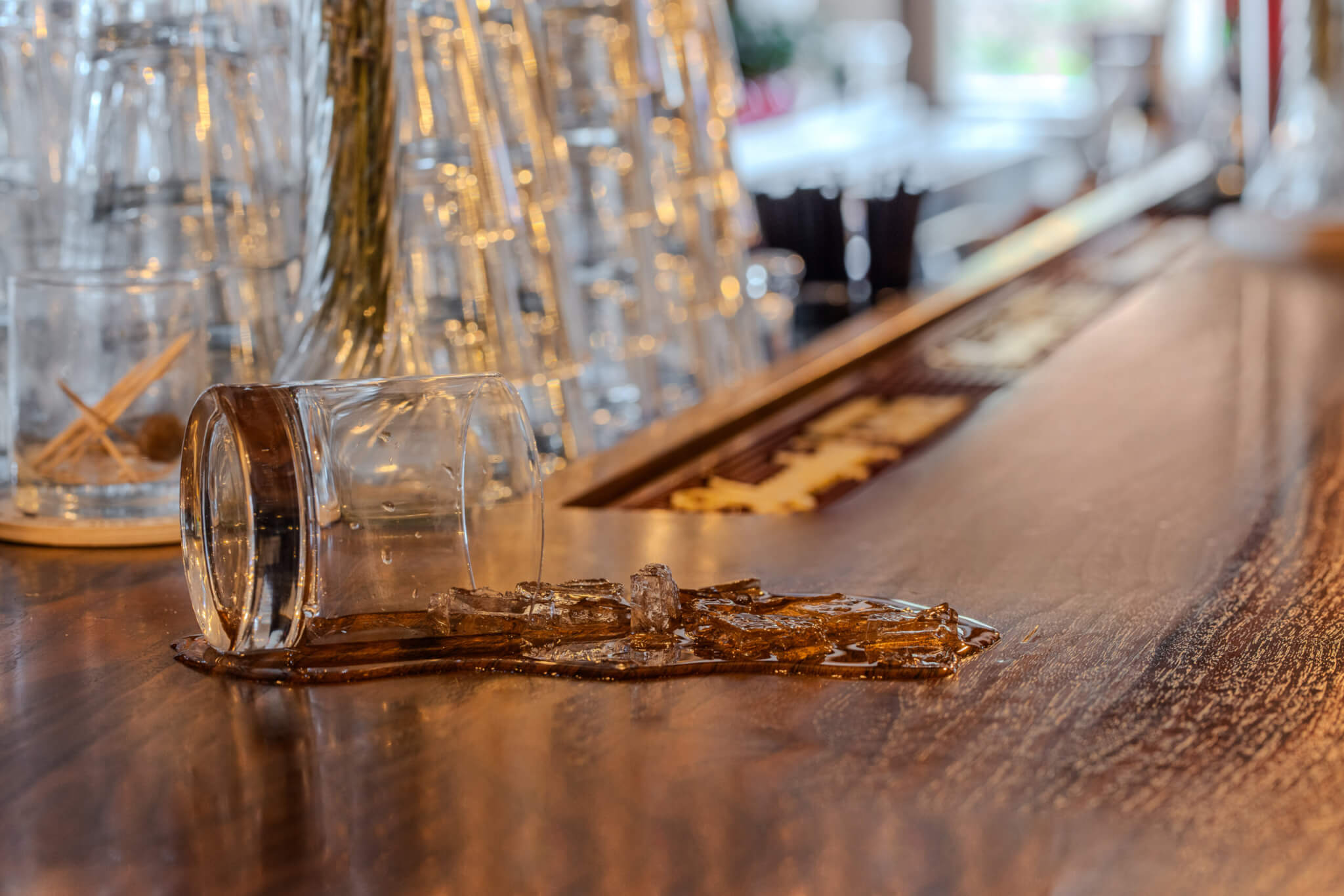
An integrated wood bartop design by Dana Bacher uses Durata® Zero for a zero-sheen protective finish.
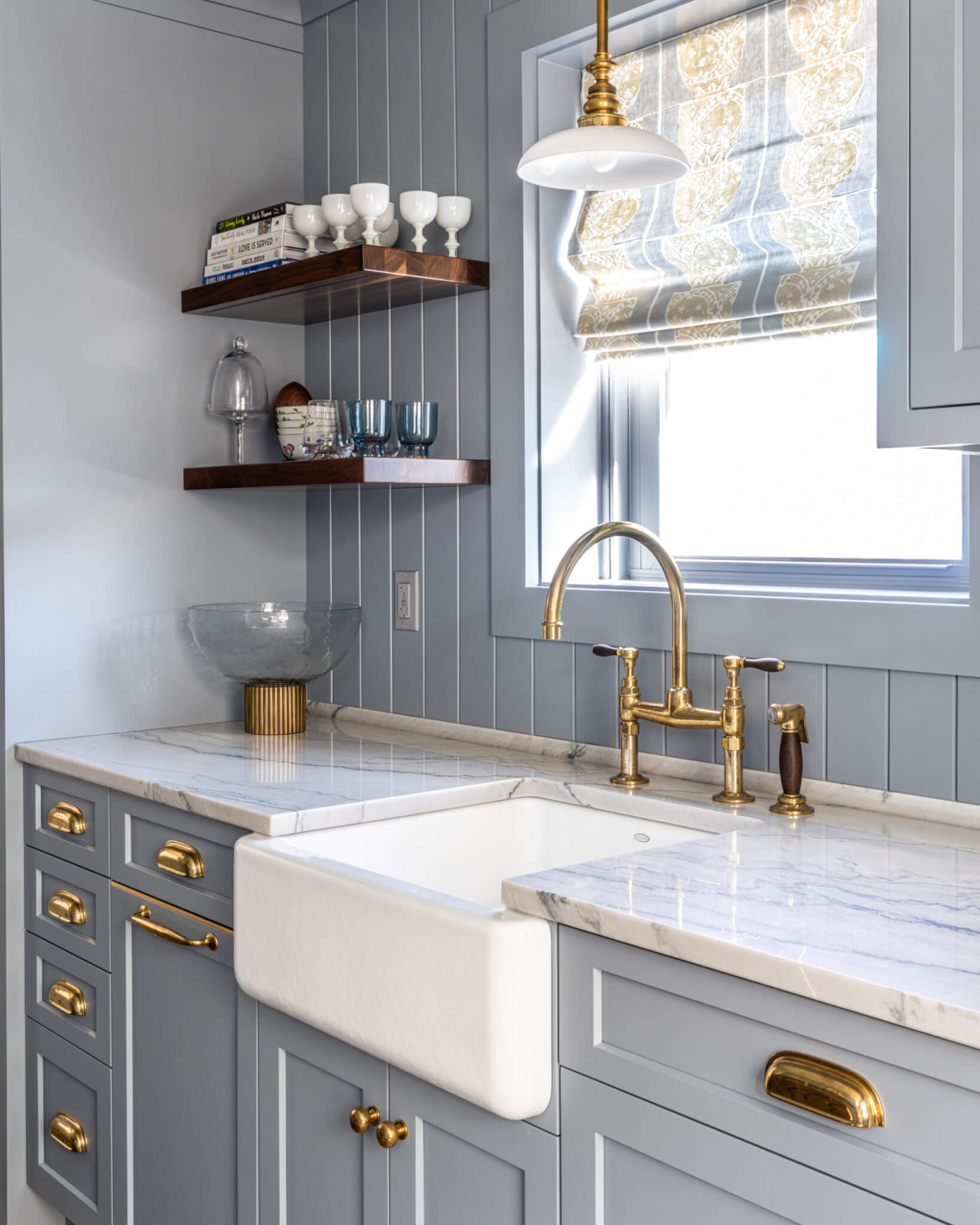
Custom Walnut floating shelves with LED lighting designed by Jarrett Design.
Luxury Is Becoming More Individual
One of the strongest observations from our team is that luxury clients are increasingly focused on personalization. Today’s homeowners have access to more design inspiration than ever before with Pinterest boards, Instagram feeds, and endless online galleries.
As a result, clients are no longer simply asking for luxury. They’re asking for something uniquely theirs; they’re looking for details that cannot be duplicated, materials that tell a story, and features that feel intentional rather than expected.
This desire for individuality is driving interest in highly customized applications, including:
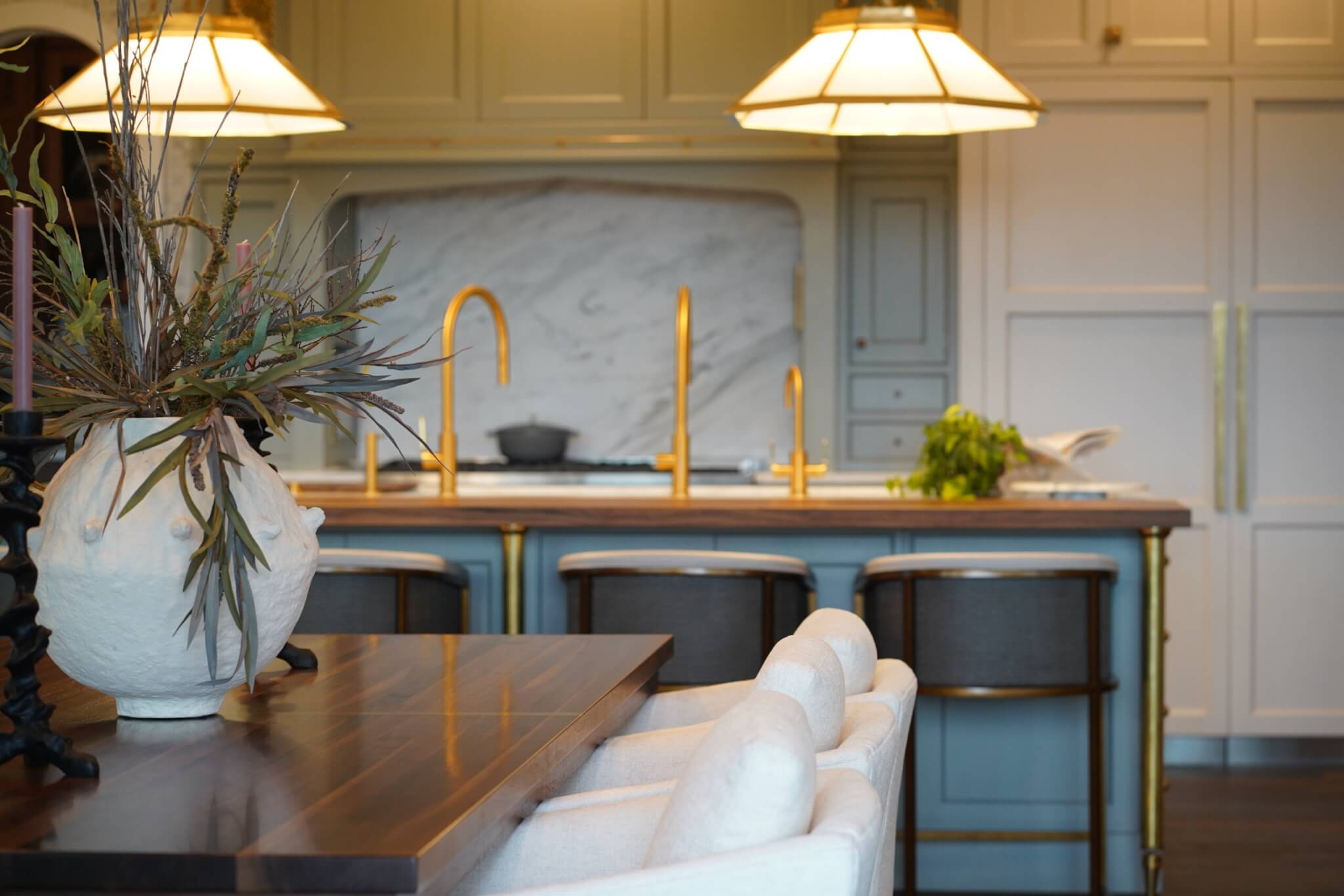
- Statement wood islands
- Custom tables
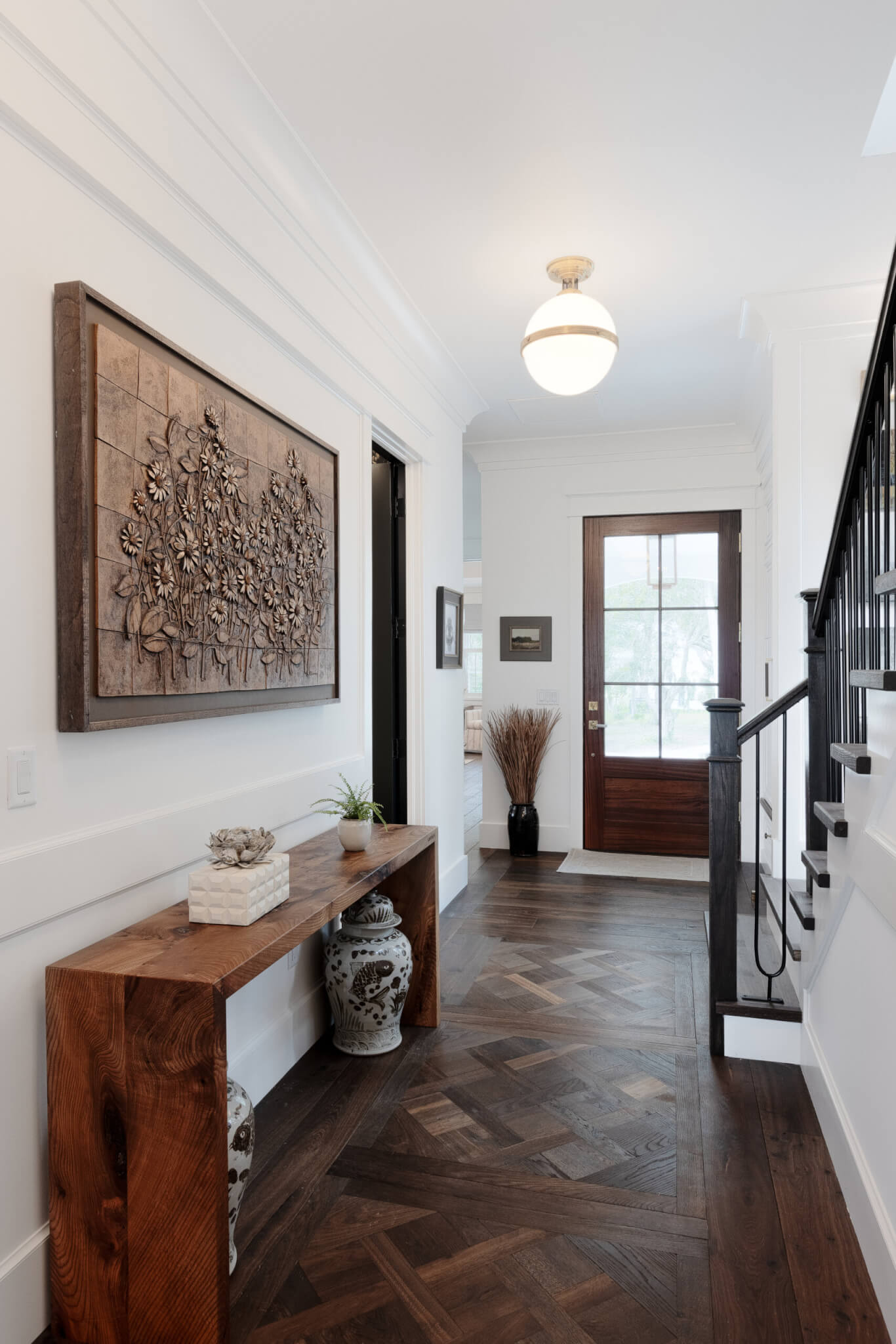
- Furniture-inspired millwork
- Floating wood shelves
- Curved wood elements
- Integrated wood features throughout the home
Rather than serving as a supporting material, wood is increasingly becoming the focal point that defines a space and delivers unmatched warmth.
Why Real Wood Surfaces Are Resonating Again
One theme surfaced repeatedly in our conversations with sales representatives:
“Designers are craving authenticity.”
Natural wood surfaces offer something increasingly difficult to replicate- a material that feels genuine. Grain movement, texture, color variation, and the natural aging process all contribute to a sense of permanence and connection that many synthetic materials struggle to achieve.
As one sales representative noted, many homeowners have grown up surrounded by engineered materials designed to remain static forever. Real wood offers a different experience. As it evolves, it develops character and reflects how a space is used and lived in over time.
For many designers, that evolution isn’t a drawback, it’s part of the appeal.
The Emotional Difference Wood Creates
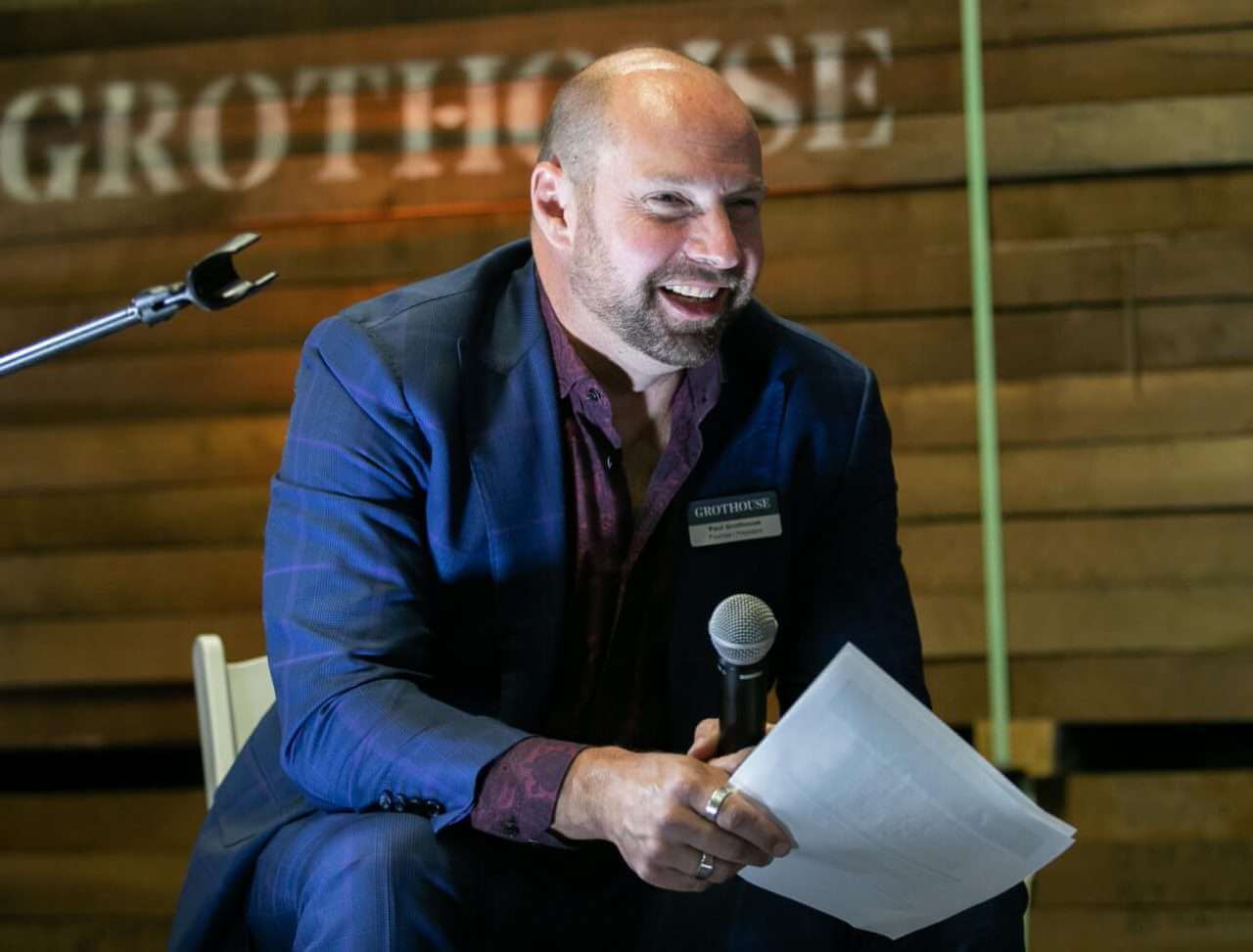
Perhaps the most compelling insight from our field conversations came from Grothouse Regional Sales Representative Sam Sloane.
He shared a recent experience with a designer that perfectly captures why wood continues to play such a powerful role in luxury design.
“One thing that’s stayed with me is how often the emotional reaction happens the moment someone physically experiences the product.
I had a designer recently who had built this incredibly sophisticated contemporary kitchen, beautiful stone, beautiful cabinetry, all very restrained, but something still felt missing to them.
When the wood surface finally went in, the entire room changed emotionally. That moment stuck with me because the conversation went from discussing specs, dimensions, and schedules to how the space actually felt.
I think that’s where Grothouse is strongest. The product creates emotional connection in a way many materials simply don’t.”
That observation aligns closely with what we’re hearing throughout the industry.
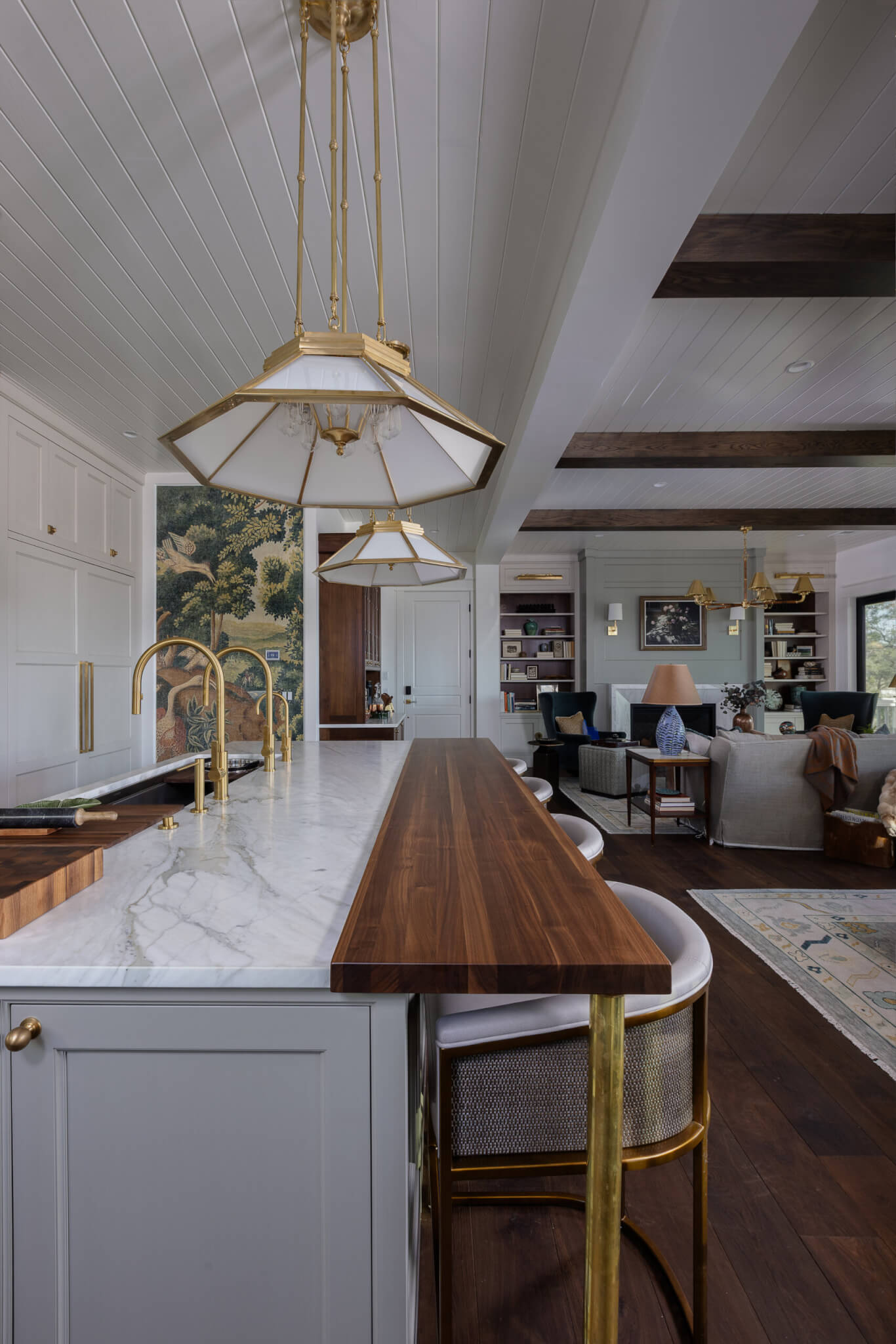
Stone may establish structure, and cabinetry may establish function. But often, wood is what creates emotional connection. It’s the material that softens modern spaces and transforms a room from impressive to inviting.
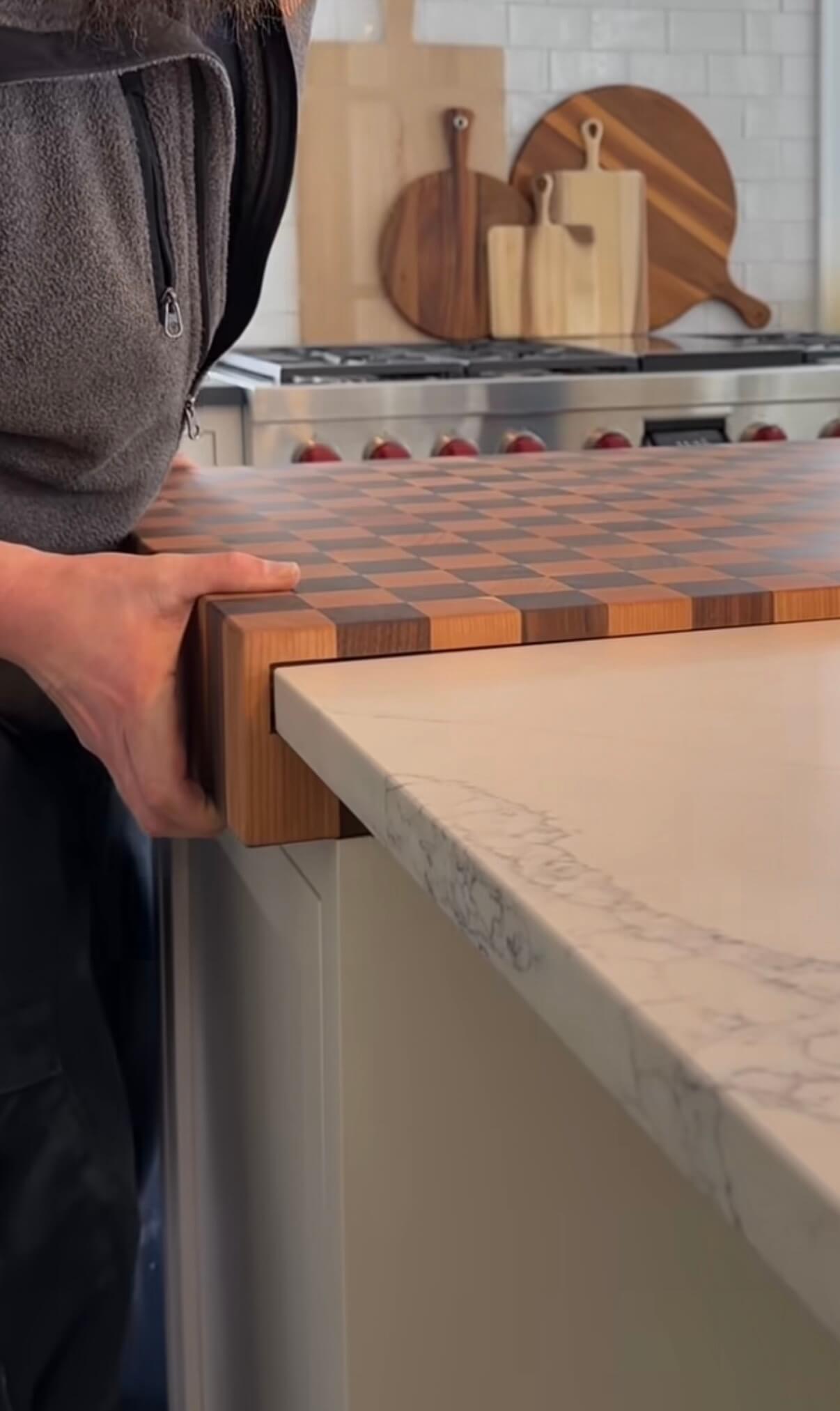
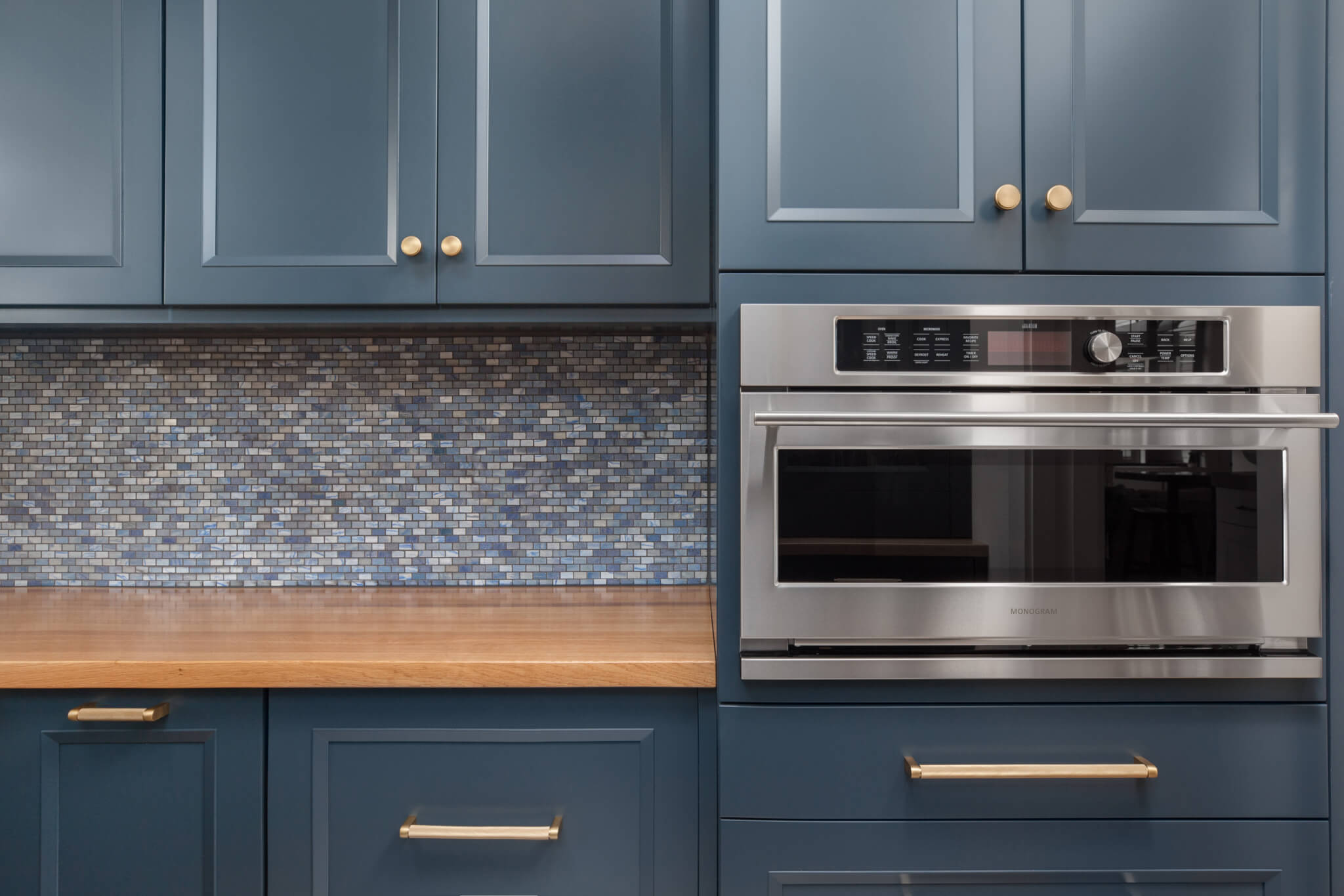
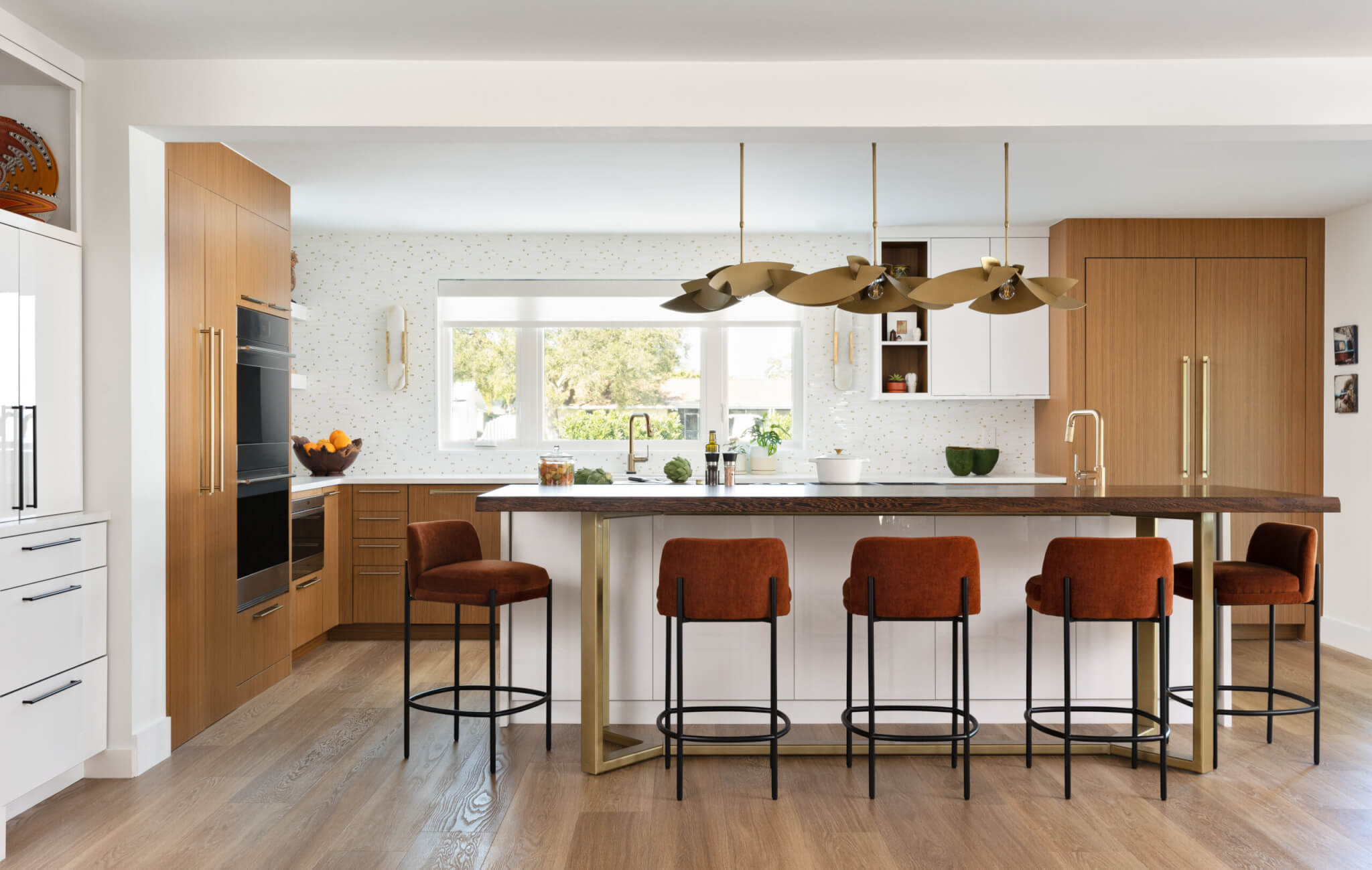
Designed by KraftMaster Renovations, the space included a butcher block at the end of a long stone island to add interest and warmth to a mostly white kitchen.
Durability Is No Longer the Barrier It Once Was
While designers continue to embrace wood, one challenge remains familiar: homeowner concerns about maintenance and long-term performance.
Questions surrounding water exposure, durability, and everyday use continue to arise during project discussions. The difference today is that those conversations are changing. Many designers who once viewed wood as beautiful but risky are discovering a line of finishing options exclusive to Grothouse that has dramatically expanded where and how wood can be used.
Enter Durata®, Grothouse’s exclusive waterproof wood finish designed to help designers specify real wood surfaces in kitchens, bathrooms, bars, and other demanding environments with greater confidence.
Our sales team notes the strong interest in Durata®-finished Walnut and White Oak surfaces, particularly among designers who previously avoided specifying wood in kitchens and other high-use environments.
Once durability concerns are addressed, many clients become significantly more comfortable integrating wood into their projects. What often begins as hesitation quickly becomes excitement, and the conversation shifts from whether wood can perform to how it can enhance the overall design experience.
Beyond Wood Countertops: Expanding the Conversation
Another important trend emerging from the field is that designers are increasingly thinking beyond traditional wood countertop applications.
Walnut and White Oak continue to be designer favorite species, but they are now using them in varied applications: Custom tables, pantry tops, floating shelves, furniture-style islands, bars, and architectural details are generating significant interest.
Rather than treating wood as a standalone surface, designers are using it as a material language that carries throughout an entire home. This integrated approach creates continuity and visual connection between spaces. The added warmth from wood is opening new opportunities for customization and storytelling within residential design.
What Designers Need Most Right Now
Perhaps the most valuable takeaway from our conversations is that designers aren’t simply looking for products, they’re looking for partners who can:
- Solve unusual design challenges
- Navigate technical complexities
- Provide engineering expertise
- Offer reliable guidance
- Help clients feel confident in their selections
As projects become increasingly customized, the relationship between manufacturer and designer becomes more important.
The best outcomes happen when great design ideas are supported by equally strong execution, which is why our team spends so much time helping designers evaluate options, solve challenges, and explore possibilities that may not exist within standard product categories.
Because ultimately, successful projects aren’t defined by the materials alone, they’re defined by the experience of bringing a vision to life.

Grothouse engineering team reviewing designs for custom projects.
Looking Ahead
“People want spaces that feel something.”
They want homes that feel warm, authentic, personal, and lasting. They want materials with character, purposeful craftsmanship, and design solutions that help create meaningful experiences, not just beautiful photographs.
For designers, that presents an exciting opportunity.
As trends continue to evolve, the projects that stand out won’t necessarily be the most extravagant, they’ll be the ones that create genuine connection and feel collected rather than copied.
When designers specify materials and details that balance performance with personality, while using natural materials to bring authenticity and humanity back into spaces, they are solving a fundamental challenge in modern design: creating spaces that feel as good as they look.
At Grothouse, we’re honored to be part of those conversations, and we look forward to continuing them with you.
Whether you’re designing a custom kitchen, specifying floating shelves, creating a statement island, or exploring architectural wood elements throughout a home, our team is here to help. Contact Grothouse at 610-767-6515 or request an estimate to start the conversation.